





The Witcher 3: Wild Hunt remains one of the most detailed, demanding, and rewarding RPGs ever made. With its sprawling open world, deep narrative, complex combat, and countless choices, mastering it requires strategy, patience, and understanding the systems shaping Geralt’s journey. This guide walks you through every crucial part of the experience—from early preparation to endgame optimization—providing a complete path toward becoming an unstoppable witcher across the Continent.
Starting Your Path as a Witcher
The early game introduces core mechanics: signs, dodging, alchemy, and gear progression. Novice players often underestimate how brutal combat can be before upgrades. Your first hours focus on understanding stamina management, potion limitations, and proper movement in tight encounters.
It’s equally important to take time exploring White Orchard. This tutorial region contains valuable diagrams, herbs, and monster nests that teach essential habits: preparation before battle, reading bestiary entries, and recognizing enemy weaknesses early.
Starting slow sets the foundation for later mastery. Learn how Geralt’s toolkit works, experiment with signs, and build solid fundamentals that will carry you through the game’s hardest battles.
Building Geralt’s Combat Skills
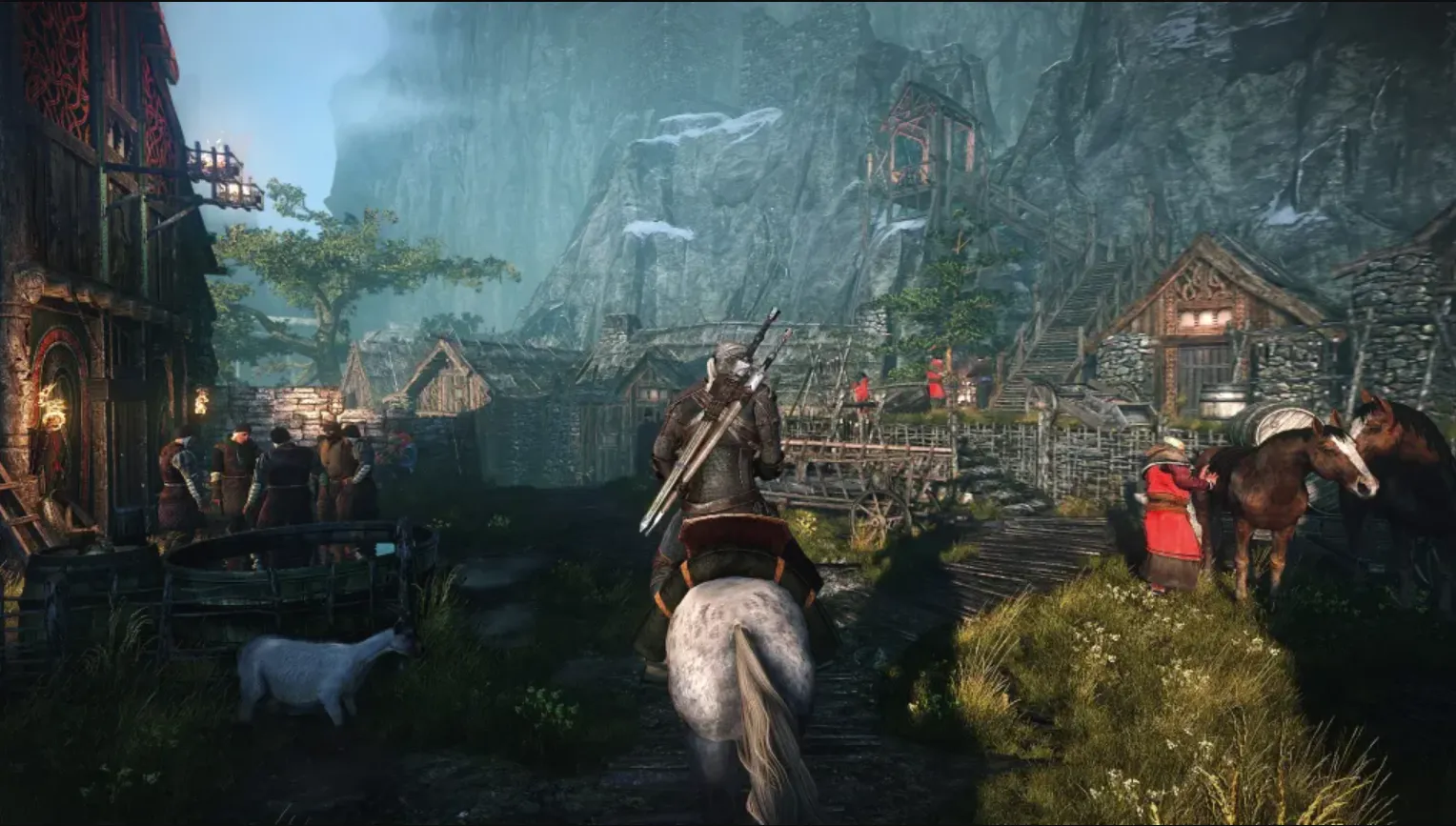
The Witcher 3’s combat rewards precision rather than reckless aggression. Geralt thrives when using controlled movements, dodges, signs, and targeted strikes rather than spamming attacks.
Skill choices matter greatly. Light attack builds prioritize speed and stamina, while strong attack builds favor raw damage. Signs-focused players may invest in Quen, Igni, or Axii to dominate fights through magical pressure. Each direction offers a unique playstyle.
Gradually layering skills—fast attacks, counterattacks, adrenaline generation, or sign intensity—creates powerful synergy. The more refined your combat strategy becomes, the less you rely on potion crutches and the more you start controlling the flow of battle.
Essential Combat Principles
• Dodge more than you roll
• Keep stamina reserved for signs
• Attack after enemy telegraphs, never before
Understanding the Witcher Signs
Signs represent Geralt’s supernatural edge, offering control, defense, and damage options in every encounter. Each sign has multiple upgrade paths that greatly alter performance.
Quen provides a protective shield, ideal for beginners and high-level monsters. Igni deals fire damage and applies burning, which devastates human enemies and certain beasts. Axii influences minds, allowing peaceful conversation or temporary crowd control in combat.
Yrden and Aard excel in specific scenarios—Yrden cripples wraiths and flying enemies, while Aard knocks foes down for instant kills. Mastering when to use each sign transforms you from a battered fighter to a strategic executioner.
Optimal Sign Usage
• Use Quen at the start of all tough battles
• Cast Yrden on wraiths to slow their phase attacks
• Apply Igni on enemies vulnerable to fire for quick kills
Armor Sets and Gear Progression
Gear defines Geralt’s effectiveness, especially with the Witcher school sets. Early game equipment is functional but limited. Crafting superior gear begins after reaching Novigrad and unlocking better blacksmiths.
The standout sets—Griffin, Cat, Bear, Wolf, and later Manticore—each support different builds. Light armor grants stamina and speed, medium armor enhances signs, and heavy armor boosts defensive power. Choosing a set that matches your build prevents wasted upgrades and resources.
Relic swords, meanwhile, offer strong bonuses but lack long-term upgrade paths. Witcher sets, once crafted and enhanced, carry you through the entire game and expansions with exceptional performance.
Gear Priorities
• Upgrade swords regularly for better scaling
• Unlock Witcher school diagrams early
• Match armor type to your preferred combat playstyle
Alchemy and Potion Mastery
Alchemy is one of the most powerful systems in The Witcher 3, often ignored by new players. Potions, bombs, oils, and decoctions dramatically increase damage output and survivability.
Every monster has weaknesses that oils counter. Applying the correct oil can double your damage. Bombs disrupt shielded mages, destroy nests, or stagger pack enemies. Decoctions grant long-term buffs, such as vitality regen or attack boosts, in exchange for toxicity.
The best players craft potions early and replenish them through meditation. You never “run out” of alchemy items permanently. Once made, they refill using alcohol—making alchemy a renewable and vital resource.
Core Alchemy Habits
• Always carry Swallow and Thunderbolt
• Use oils based on bestiary entries
• Experiment with decoctions for unique, high-impact buffs
Navigating the Continent
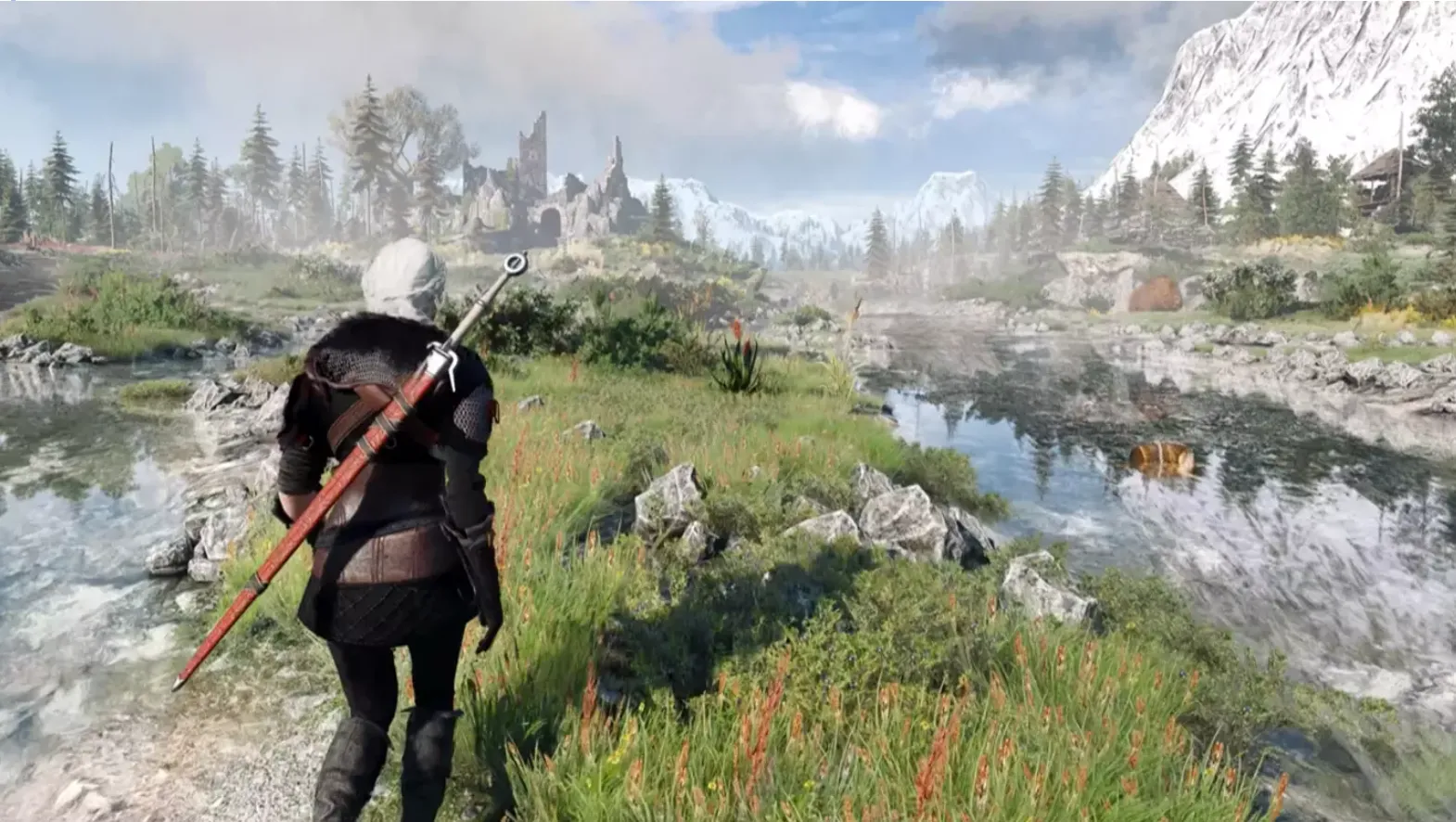
The Continent is enormous, with countless quests, hidden treasures, monster contracts, and narrative branches. Rushing through major story beats leads to missed opportunities and under-leveled encounters.
Exploration reveals gear diagrams, mutagens, and treasure hunts that significantly boost power. Secondary quests in areas like Velen and Novigrad often provide some of the best storytelling in the game, building reputation and offering choices that affect later events.
Smaller activities—clearing bandit camps, liberating towns, exploring caves—make Geralt stronger while deepening world immersion. Every corner of the Continent hides something valuable.
Exploration Checklist
• Check notice boards in every major town
• Unlock fast-travel waypoints early
• Explore ruins and caves for diagrams and mutagens
Contract Hunting and Monster Strategy
Witcher contracts are the purest expression of Geralt’s craft. Each contract features a unique monster requiring research, preparation, and tailored tactics.
Reading the bestiary reveals weaknesses, attack patterns, and recommended oils or signs. For example, Noonwraiths require Yrden traps and Moon Dust to prevent teleportation. Fiends must be blinded or stunned to interrupt their devastating charge attacks.
Approaching contracts unprepared leads to brutal defeats. Approaching them strategically feels like an authentic witcher experience—precise, efficient, and deeply satisfying.
Monster-Hunting Fundamentals
• Use bestiary weakness info before every contract
• Prepare potions and bombs beforehand
• Fight monsters in terrain that favors mobility
Tracking Choices and Consequences
The Witcher 3 is known for morally complex decisions. Many choices have consequences that surface hours or even days later in the story. Relationships with characters, ending variations, and political outcomes all hinge on how you navigate dialogue.
There are no purely good or evil choices—only trade-offs. Helping one group may harm another, sparing a monster may lead to a future threat, and defending a town could transform its fate.
Understanding that every choice matters encourages deliberate play. Paying attention to character motivations makes the story richer and ensures your ending reflects your actual intentions.
Dialogue Tips
• Listen to emotional cues before choosing
• Avoid rushing through major decisions
• Remember: even silent actions can have consequences
Optimizing Builds for Late-Game Power
Near the end of the game and into the expansions, enemies become aggressive, magical foes appear often, and boss encounters push your build to its limits. Late-game optimization makes a massive difference.
Mutagens provide stat boosts that scale with skill color matching. Synergy becomes one of the strongest talents, increasing your mutagen efficiency significantly. Endgame sets like the Grandmaster armor elevate your chosen build to peak strength.
Whether specializing in signs, alchemy, heavy attacks, or hybrid builds, refining your skills and gear ensures you’re fully prepared for the game’s toughest trials—including the bosses in Hearts of Stone and the challenges in Blood and Wine.
Endgame Priorities
• Create a mutagen-boosted build
• Craft Grandmaster Witcher sets
• Prepare alchemy-heavy loadouts for boss battles

Conquering the Expansions
The Witcher 3’s expansions are among the greatest ever made. Hearts of Stone focuses on moral dilemmas and challenging boss fights, requiring strong reflexes and well-planned loadouts. Blood and Wine introduces a beautiful new region, higher-level opponents, and the powerful mutation system.
To survive these expansions, upgrade your gear to Grandmaster tier, optimize mutagen synergy, and enter battles with full alchemy preparation. Enemies in Toussaint hit harder and faster, and many of the new monster types demand high-level tactics and precision.
Completing the expansions not only finalizes Geralt’s journey but also showcases your mastery of every game system—the ultimate test for any Witcher player.
Conclusion
Mastering The Witcher 3: Wild Hunt means understanding combat, alchemy, gear progression, exploration, and decision-making deeply. By developing strong fundamentals early, preparing carefully for monsters, optimizing Geralt’s build, and embracing the world’s moral complexity, you become a true Witcher capable of facing anything across the Continent. Your legend grows through every choice and battle, forging a journey as unforgettable as the game itself.