.webp)




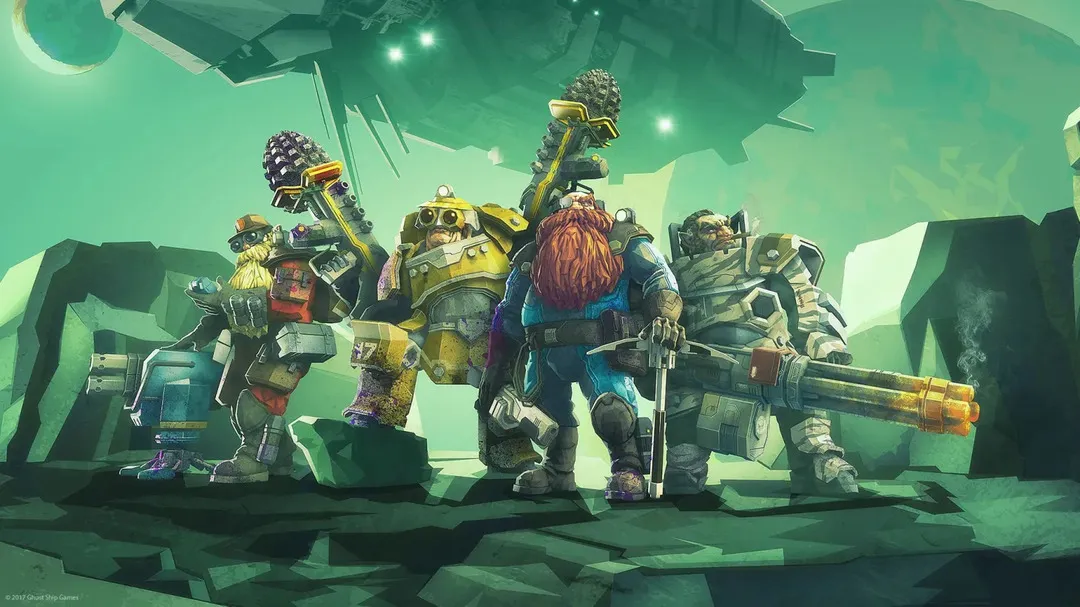
Deep Rock Galactic is widely praised as one of the best cooperative shooters in modern gaming. Developed by Ghost Ship Games, the game blends mining, exploration, and intense combat into a unique experience that encourages teamwork. Players take on the role of space dwarves, diving deep into hostile alien caves to complete missions while fending off relentless enemies.
However, beyond its polished gameplay lies a subtle but impactful issue: difficulty scaling in cooperative play. While the system is designed to create balanced challenges for teams of different sizes and skill levels, it often results in chaotic and inconsistent gameplay. This issue becomes especially noticeable in higher hazard levels, where the balance between challenge and fairness begins to break down.
1. Understanding the Core Gameplay Loop
At its core, Deep Rock Galactic revolves around a simple but effective gameplay loop: enter a cave, complete objectives, gather resources, and escape alive. The caves are procedurally generated, meaning each mission offers a different layout, enemy distribution, and resource placement.
This randomness is one of the game’s greatest strengths, but it also contributes to inconsistency in difficulty. Players may encounter an easy mission followed immediately by an overwhelmingly difficult one, even at the same hazard level.
Why Simplicity Becomes Complexity
- Procedural cave generation creates unpredictable environments
- Enemy spawn patterns vary between missions
- Resource placement affects survivability
- Team coordination requirements change constantly
2. The Design of Hazard Levels
The Hazard Level system is the backbone of difficulty scaling in Deep Rock Galactic. Ranging from Hazard 1 to Hazard 5 (and beyond with modifiers), it determines enemy strength, spawn rate, and overall mission intensity.
In theory, this system allows players to choose their preferred level of challenge. In practice, however, the jump between levels—especially from Hazard 3 to Hazard 4—can feel disproportionately steep.
Key Issues with Hazard Scaling
- Sudden spikes in enemy damage and health
- Increased swarm frequency without proportional resource boosts
- Greater punishment for minor mistakes
3. Multiplayer Scaling Mechanics
One of the most critical aspects of the game is how difficulty scales with the number of players. As more players join a mission, enemy health and spawn rates increase.
While this is intended to maintain challenge, it often creates unintended consequences. Enemies become bullet sponges, and swarms can quickly spiral out of control.
Scaling Problems
- Enemy durability increases faster than player damage output
- Larger teams attract more chaotic swarm behavior
- Reviving teammates becomes significantly harder
4. The Role of Class Synergy
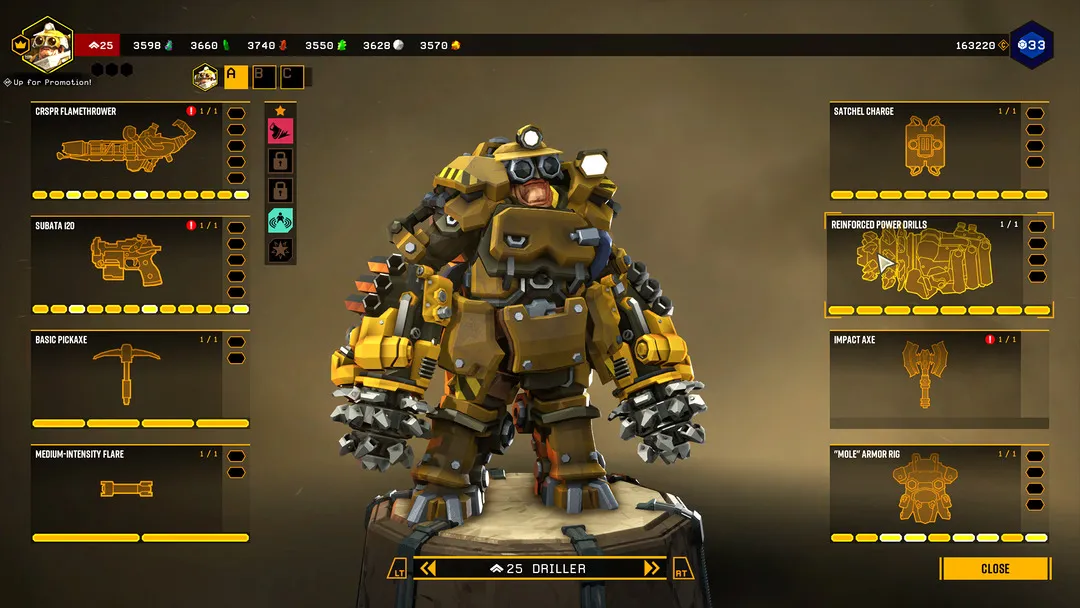
Deep Rock Galactic features four distinct classes: Scout, Engineer, Driller, and Gunner. Each plays a vital role in team success, and proper synergy is essential.
However, difficulty scaling assumes optimal team composition and coordination. In random matchmaking, this assumption often fails.
Common Issues
- Missing roles can cripple team efficiency
- Poor coordination amplifies difficulty
- Some classes struggle more in high hazard levels
5. Resource Scarcity Under Pressure
Resources such as ammo and health are limited and must be carefully managed. In higher difficulties, the increased enemy presence puts significant pressure on these resources.
Players often find themselves running out of ammo during critical moments, turning manageable situations into chaotic disasters.
Resource Challenges
- Nitra scarcity limits resupply options
- Overuse of ammo during swarms
- Poor team coordination wastes resources
6. Swarm Mechanics and Chaos
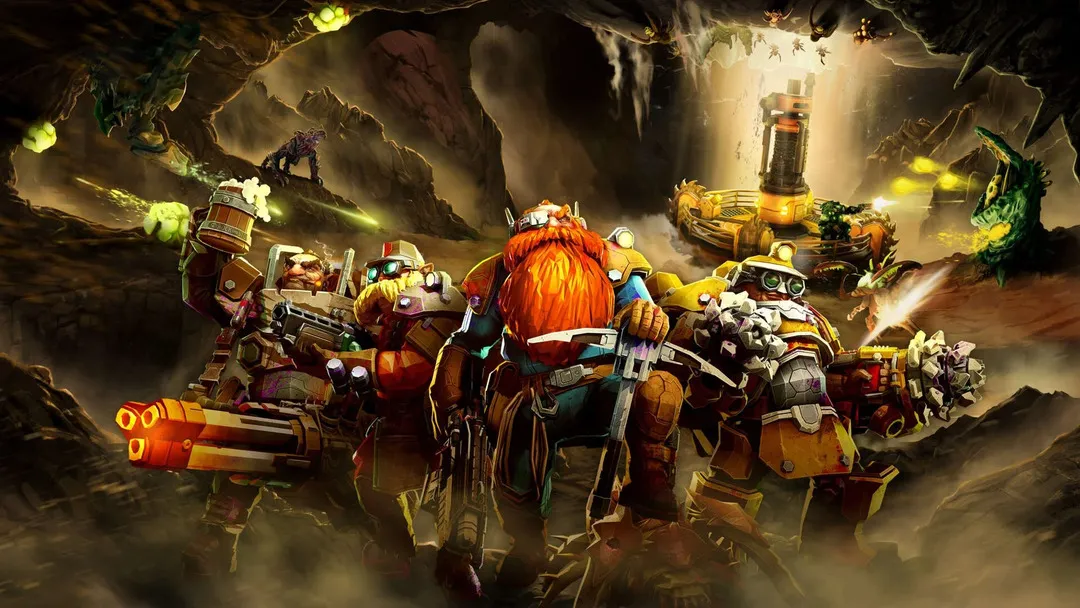
Enemy swarms are a defining feature of the game. They create intense moments of action and require teamwork to survive.
However, swarm mechanics can become overwhelming when combined with scaling systems. Larger teams often trigger larger and more frequent swarms, leading to chaotic gameplay.
Swarm Issues
- Overlapping swarm triggers
- Limited breathing room between attacks
- Difficulty maintaining control in tight spaces
7. Procedural Generation vs Fairness
Procedural generation ensures variety, but it also introduces fairness concerns. Some cave layouts are significantly more difficult than others.
For example, vertical caves with limited mobility options can make combat much harder, especially during swarms.
Environmental Challenges
- Poor terrain for defensive positioning
- Difficult navigation during combat
- Increased fall damage risks
8. The Impact of Player Skill Gaps
In cooperative games, player skill levels can vary widely. Deep Rock Galactic’s scaling system does not fully account for this.
A single inexperienced player can dramatically increase mission difficulty without contributing equally to team success.
Skill Gap Problems
- Increased enemy scaling without matching performance
- More frequent mistakes and downs
- Greater strain on experienced players
9. High Hazard Levels: Challenge or Chaos?
Hazard 4 and 5 are designed for experienced players seeking intense challenges. However, these levels often cross the line from challenging to chaotic.
Instead of rewarding skill, they sometimes punish players with overwhelming enemy numbers and limited recovery options.
High-Level Issues
- Minimal margin for error
- Constant pressure with little downtime
- Increased reliance on perfect coordination
10. Potential Improvements to the System
While the difficulty scaling system has its flaws, it is not beyond improvement. Several adjustments could make the experience more balanced and enjoyable.
Suggested Fixes
- Smoother scaling between hazard levels
- Better resource distribution for larger teams
- Improved matchmaking to balance skill levels
- Adaptive difficulty based on team performance
Conclusion
Deep Rock Galactic remains one of the most engaging cooperative experiences available today. Its unique blend of exploration, combat, and teamwork sets it apart from other games in the genre.
However, its difficulty scaling system introduces challenges that can undermine the experience. From unpredictable swarm behavior to resource scarcity and player skill gaps, the system often creates chaos instead of balanced difficulty.
Despite these issues, the game’s strong foundation ensures that it remains highly enjoyable. With thoughtful adjustments, its difficulty system could evolve into something that enhances rather than disrupts the cooperative experience.