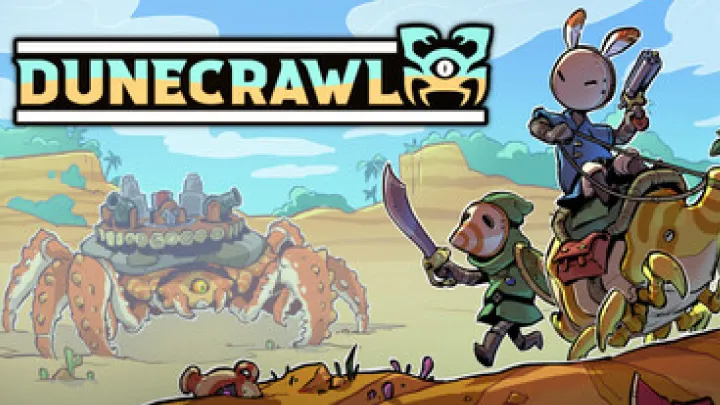
DuneCrawl is a challenging exploration and survival game set in a harsh desert world filled with danger mystery and constant pressure. Players guide a crawler vehicle or character across endless dunes uncovering ruins battling enemies managing resources and making strategic decisions that affect long term survival. At first the game may feel overwhelming due to its systems difficulty and unforgiving environment. Many new players fail early because they rush forward without understanding how the desert works.
This how to guide is written to help players fully understand DuneCrawl step by step. The article is organized in a natural progression from beginner fundamentals to advanced survival and mastery. Each main section focuses on a specific phase of gameplay and explains how to make smart decisions avoid common mistakes and build confidence in the desert. By following this guide you will learn how to survive longer explore deeper and truly master DuneCrawl.
How to Understand the Core Gameplay Loop of DuneCrawl
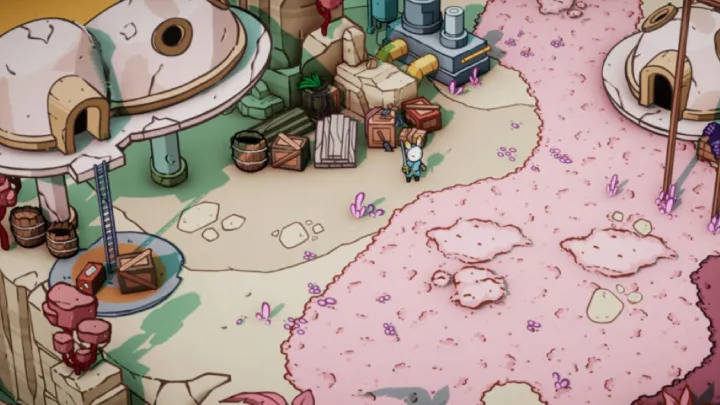
DuneCrawl revolves around a repeating loop of exploration combat resource collection and risk management. Each run begins with limited supplies and knowledge while the desert constantly pushes back through enemies hazards and scarcity. Understanding this loop early helps players avoid reckless decisions that lead to early failure.
Every action in DuneCrawl has a cost. Moving forward consumes fuel or stamina exploring ruins risks damage and combat drains health and resources. Success comes from balancing progress with preservation. Instead of pushing as far as possible in one run focus on learning the environment and returning safely.
Accepting that failure is part of the learning process is important. Each run teaches valuable lessons about enemy patterns terrain hazards and efficient routes. Long term mastery comes from repeated thoughtful attempts rather than a single perfect run.
How to Start Your First Runs the Right Way
Early runs in DuneCrawl should be treated as training rather than serious progression. New players often try to reach far zones too quickly and lose everything. Instead focus on understanding controls mechanics and basic survival.
Pay attention to movement speed turning radius and how the crawler interacts with sand slopes. Small mistakes like poor positioning can lead to unnecessary damage. Learning how to move efficiently across dunes saves fuel and reduces risk.
During early runs explore nearby locations and return often. This builds familiarity with the map generation and helps you learn which encounters are worth the risk and which should be avoided early on.
How to Manage Resources Like Fuel Water and Supplies
Resource management is the heart of DuneCrawl. Fuel water and repair materials are limited and must be used wisely. Running out of any critical resource often ends a run regardless of combat skill.
Always monitor resource consumption while moving. High speed travel may seem efficient but can drain fuel rapidly. Slow steady movement often allows longer exploration. Plan routes that allow resupply rather than straight line progression.
Never spend all resources on one objective. Keep emergency reserves for unexpected encounters storms or ambushes. Smart players survive not because they gather the most but because they waste the least.
How to Approach Combat Safely and Efficiently
Combat in DuneCrawl is dangerous and rarely optional. Enemies can appear suddenly and overwhelm unprepared players. Learning when to fight and when to flee is essential.
Study enemy behavior and attack patterns. Many enemies can be avoided or outmaneuvered rather than fought directly. Positioning and timing matter more than raw damage output.
When combat is unavoidable aim to end fights quickly and cleanly. Prolonged battles drain health and resources. Use terrain obstacles and spacing to minimize incoming damage and retreat if the fight turns unfavorable.
How to Explore Ruins and Points of Interest
Ruins and landmarks offer valuable loot story elements and upgrades but they also carry significant risk. Entering every location without preparation is a common beginner mistake.
Before exploring check your current health resources and escape options. If your supplies are low it may be better to mark the location and return later. Not every opportunity must be taken immediately.
Inside ruins move cautiously. Traps enemies and environmental hazards are common. Clearing one area safely is better than rushing through and triggering multiple threats at once.
How to Upgrade Your Crawler or Character Effectively
Upgrades in DuneCrawl shape your playstyle and long term success. Choosing upgrades randomly can weaken future runs. Instead focus on upgrades that improve survival and efficiency.
Early upgrades should prioritize resource capacity durability and basic combat improvements. These upgrades increase consistency and reduce early run failures.
Avoid overly specialized upgrades too early. Versatile improvements provide more value across different situations and allow flexibility as you learn more about the game systems.
How to Read the Desert and Avoid Environmental Hazards
The desert itself is one of the most dangerous enemies in DuneCrawl. Sandstorms heat zones and unstable terrain can quickly destroy an unprepared player.
Learn visual and audio cues that signal incoming danger. Darkening skies shifting sand patterns or warning sounds often indicate hazards ahead. Recognizing these signs early allows you to slow down or reroute.
Respect the environment. Sometimes the safest choice is to stop wait or turn back. Players who ignore environmental warnings rarely survive long runs.
How to Decide When to Push Forward or Retreat
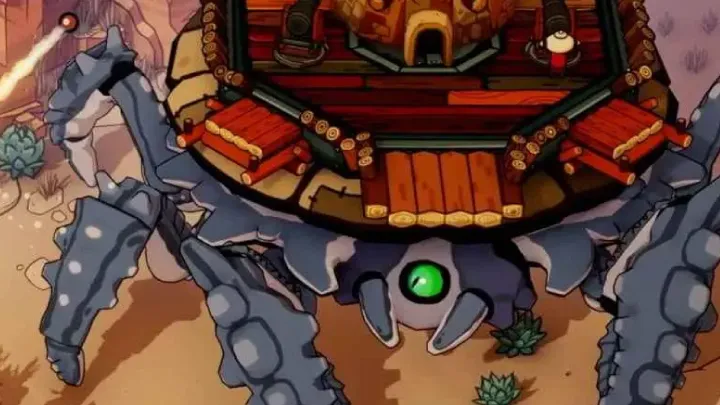
One of the hardest skills to learn in DuneCrawl is knowing when to stop. Greed is often the cause of failed runs.
If resources are low damage is high or multiple risks are stacking it is usually better to retreat. Returning safely with moderate gains is better than losing everything by pushing too far.
Experienced players plan exit points from the beginning of a run. Knowing where and how you will retreat reduces panic and allows calmer decision making under pressure.
How to Learn From Failure and Improve Each Run
Failure in DuneCrawl is inevitable and valuable. Each loss provides information that improves future attempts. Instead of restarting immediately take a moment to analyze what went wrong.
Identify whether the failure was caused by poor planning risky combat or resource mismanagement. Correcting one mistake per run leads to steady improvement.
Over time patterns emerge. You will recognize dangerous situations earlier and respond more effectively. This gradual learning curve is central to mastering the game.
How to Build Long Term Mastery and Enjoy the Journey
True mastery of DuneCrawl comes from patience adaptability and respect for the desert. The game rewards thoughtful players who learn its rhythms rather than those who rush.
Set personal goals beyond just reaching the furthest distance. Focus on cleaner runs better resource efficiency or mastering specific enemy types. These goals keep the game engaging and reduce frustration.
Most importantly enjoy the journey. DuneCrawl is designed to be tense challenging and rewarding. Embracing its difficulty makes each successful run deeply satisfying.
Conclusion
DuneCrawl is a demanding survival experience that tests planning patience and adaptability. By understanding the core loop managing resources carefully approaching combat intelligently and learning from failure players can steadily improve and survive deeper into the desert. This how to guide provides a clear path from beginner confusion to confident exploration. With time and practice the desert becomes less hostile and more rewarding for those who respect its dangers.
Summary
Complete how to guide for DuneCrawl covering survival basics resource management combat exploration upgrades decision making and long term mastery in the harsh desert world.