.webp)







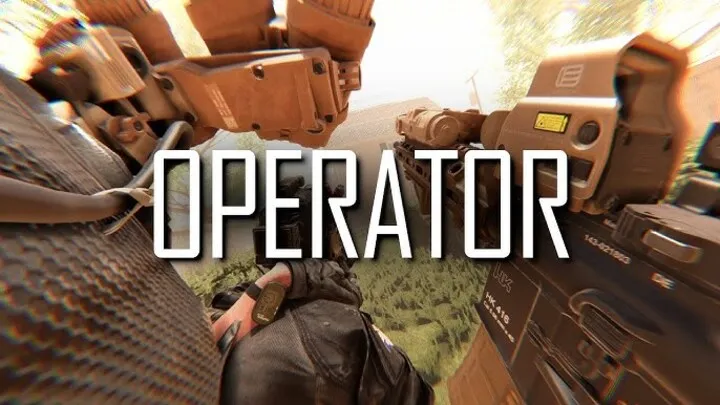
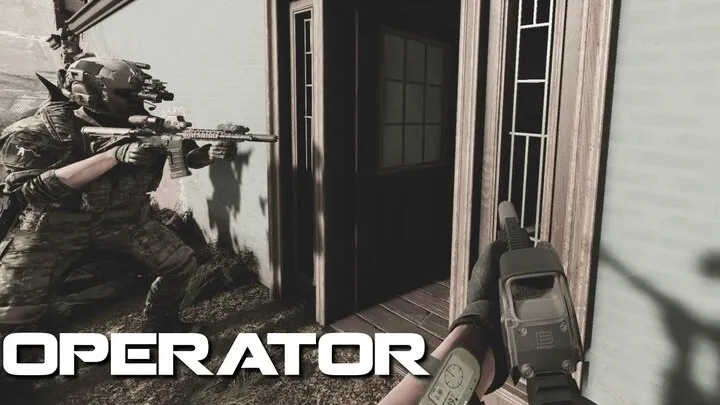
OPERATOR is a narrative-driven investigation game that places players in the role of a digital analyst. Instead of direct action, the game challenges you to collect data, cross-reference information, interpret patterns, and make decisions with incomplete or misleading evidence. Success depends on logic, patience, and attention to detail rather than speed.
This blog explains how to play OPERATOR effectively by mastering information flow, analytical thinking, and decision discipline.
Understanding OPERATOR’s Core Gameplay Loop
OPERATOR revolves around investigation cycles.
Each case typically involves:
- Receiving fragmented information
- Searching databases and files
- Connecting clues logically
- Making judgment calls
The game rewards accuracy and reasoning, not trial-and-error guessing.
Think Like an Analyst, Not a Detective
OPERATOR emphasizes analysis over intuition.
Analytical Mindset Tips
- Verify every detail before concluding
- Avoid assumptions without evidence
- Cross-check information consistently
Rushed conclusions often lead to incorrect outcomes.
Information Management Is the Main Skill
The biggest challenge is handling data volume.
Information Organization Tips
- Take notes on names, dates, and locations
- Separate confirmed facts from assumptions
- Revisit earlier data after new discoveries
Clear organization prevents confusion later.
Reading Between the Lines
Not all information is equally reliable.
Evaluating Data Credibility
- Identify inconsistencies
- Question emotional or vague statements
- Compare multiple sources
Reliable conclusions come from patterns, not single clues.
Timing and Decision Pressure
OPERATOR often limits time or resources.
Decision-Making Strategy
- Prioritize high-impact information
- Avoid chasing irrelevant details
- Make decisions only when evidence aligns
Knowing when to stop searching is as important as knowing when to continue.
Handling Uncertainty and Incomplete Evidence
Perfect information rarely exists.
Managing Uncertainty
- Accept ambiguity
- Choose the most logical option, not certainty
- Prepare for consequences
Calculated risks are part of the experience.
Avoiding Common Player Mistakes
Many players fail due to habits, not difficulty.
Mistakes to Avoid
- Jumping to conclusions
- Ignoring contradictory data
- Overthinking minor details
Balance analysis with progression.
Learning From Failed Outcomes
Failure is informative.
Improvement Techniques
- Review incorrect assumptions
- Identify missing clues
- Adjust future analysis methods
Each failure improves analytical skill.
Late-Game Complexity and Pattern Recognition
Later cases increase complexity.
Advanced Analysis Tips
- Look for recurring behavioral patterns
- Track relationships across cases
- Identify systemic clues
Long-term memory becomes essential.
Maintaining Focus During Long Sessions
Mental fatigue reduces accuracy.
Focus Management Tips
- Take short breaks
- Re-read key information
- Slow down when overwhelmed
Clarity beats speed.
Why OPERATOR Feels Rewarding
OPERATOR respects player intelligence.
The game does not guide you to answers. Instead, it challenges you to reason, doubt, and decide responsibly. Progress feels earned because conclusions come from understanding, not luck.
Conclusion
OPERATOR is a game about thinking carefully under pressure. By managing information wisely, questioning assumptions, and making evidence-based decisions, players can navigate complex investigations with confidence. The true challenge is not finding answers, but learning how to trust your reasoning process.