






Pokémon TCG Pocket is a fast, accessible, mobile version of the classic Pokémon Trading Card Game. It blends strategic deck building, quick battles, daily rewards, digital pack opening, and card collection management into a streamlined mobile experience. Whether you are a long time TCG fan or a brand new player, Pokémon TCG Pocket offers a simplified but deep version of the Pokémon card experience.
This comprehensive How To guide will walk you through everything you need to know, from understanding the basic rules to building competitive decks, collecting efficiently, optimizing your resources, mastering strategies, and preparing for high level play. By the end, you will know how to progress, how to battle, how to collect cards smartly, and how to grow your skills over time.
How to start your journey in Pokémon TCG Pocket

When you launch the game for the first time, Pokémon TCG Pocket introduces you to simplified mobile TCG rules. You begin with a basic starter deck to teach the fundamental mechanics. Your first goal should be familiarizing yourself with the flow of a match, including playing Pokémon, attaching energy, drawing cards, and using abilities. The interface is designed for quick battles, so learning the layout helps you make fast decisions.
Next, complete the early tutorial missions. These missions unlock packs, basic cards, resources, and game modes. They also introduce you to the differences between this mobile TCG and the full tabletop version. By completing tutorial missions, you accelerate your early progression and set up your collection efficiently.
How to understand game rules and mechanics
Pokémon TCG Pocket preserves the core rules of the main Pokémon TCG while simplifying complex steps so battles feel smooth and fast. You still build decks, play Pokémon, attach energy, evolve them, and attack, but the flow is optimized for mobile timing. Begin by learning the turn structure. Each turn allows you to draw, play Pokémon, attach energy, play support cards, and attack once.
Learn the three main card types Pokémon, Trainer, and Energy. Pokémon deal damage and evolve. Trainer cards provide effects like healing, drawing, or switching. Energy cards power attacks. Understanding how these three interact helps you make correct decisions during battles. Even in fast matches, strategy comes from choosing the best cards to play each turn.
How to build your first effective deck
Deck building is the most important skill in Pokémon TCG Pocket. A deck needs to be consistent, meaning it should draw the cards it needs at the right time. Your first deck should focus on a single Pokémon type. For example, you might pick Fire, Water, or Electric. Sticking to one type increases synergy, because you need only one kind of energy.
A simple beginner deck includes about 12 to 16 Pokémon, 10 to 14 energy cards, and 12 to 18 Trainer cards. Trainer cards are especially powerful because they give extra draws, healing, switching, and strategic options. Build your deck around a core attacker. Choose one strong Pokémon as your main damage dealer, then support it with evolutions, energy acceleration, and secondary attackers.
How to expand your card collection efficiently
Pokémon TCG Pocket makes card collecting fun with daily free packs, special drops, and missions. However, to build a strong collection quickly, you need a good strategy. Make sure to open your two daily booster packs every day because they are the main source of new cards. Over time, these packs add up and give you more options for deck building.
Participate in limited time events because they often reward exclusive cards, rare pulls, and resources. Completing achievements and challenge missions also gives pack tickets or crafting materials. Collecting efficiently means always using your daily opportunities and saving premium currency for special banners that contain meta defining cards or rare sets.
How to master battle strategy and win more matches
Battles in Pokémon TCG Pocket are short but require strong decision making. The key to winning more matches is managing resources carefully. Choose when to evolve, when to attach energy, when to retreat, and when to use Trainer cards. Playing too aggressively may leave your bench empty, while playing too defensively may give your opponent momentum.
Positioning is also important. Keep backup Pokémon on the bench in case your active Pokémon gets knocked out. Always think one or two turns ahead. Plan your energy attachments based on which Pokémon you expect to attack next. Use Trainer cards at the right time instead of wasting them when they provide only minor effects.
How to understand card rarity and value
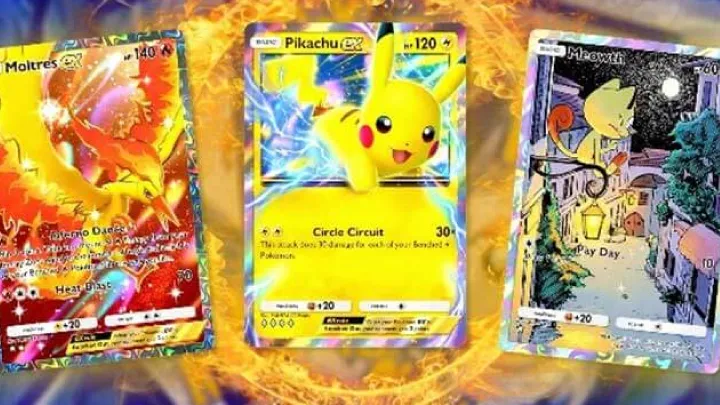
Pokémon TCG Pocket includes various card rarities, from standard prints to special illustrations and high rarity effects. Higher rarity cards often have better stats, more appealing designs, or improved abilities. Knowing rarity helps you decide whether to invest resources into certain cards.
Focus on collecting strong competitive cards rather than only chasing rare artwork. Rare cards with powerful effects should be prioritized in deck building. However, the collection aspect is also part of the fun, so if you enjoy collecting specific art styles or series, balance your resources between gameplay and aesthetics.
How to manage resources and progression
Resource management is one of the biggest differences in Pokémon TCG Pocket compared to traditional TCGs. The game offers multiple currencies, such as gems, pack tickets, enhancement materials, and crafting items. Use gems wisely because they are limited. Spend them only on banners or bundles that offer high value.
Progression is tied to missions, challenges, and daily tasks. Complete your daily missions consistently to earn rewards. Weekly missions give even more resources, so always plan your playtime to finish them before the reset. Smart resource management helps you build stronger decks without spending excess time or money.
How to master advanced deck building concepts
Once you understand basic deck building, it is time to learn advanced techniques like card synergy, search efficiency, and probability. A great deck uses combinations of cards that enhance each other. For example, some Pokémon benefit from discarding energy, while others retrieve energy from the discard pile. Some Trainer cards thin your deck to increase your chances of drawing key cards.
Think about tempo and consistency. A high tempo deck attacks quickly and pressures the opponent. A consistency focused deck draws many cards and sets up multiple attackers. You can also build control decks that stall and drain resources from the opponent. Experiment with these archetypes to discover your preferred style.
How to compete in high level battles and events
High level battles require strong decks, high card knowledge, and quick decision making. Before entering competitive modes, practice your deck in casual battles until you understand its strengths and weaknesses. Learning matchups is crucial. Some decks perform better against certain types and struggle against others.
Events and special tournaments require focus and adaptability. Always prepare multiple decks in case the format changes. Keep up with balance updates and new card releases because the meta shifts frequently. Staying aware of popular strategies helps you prepare counter decks and climb rankings more effectively.
How to continue improving long term
Improvement in Pokémon TCG Pocket comes from experience, analysis, and experimentation. After each match, review what went well and what went wrong. Did you attach energy to the wrong Pokémon? Did you waste a Trainer card too early? Learning from mistakes rapidly increases your win rate.
Join communities, watch gameplay videos, and study deck lists from experienced players. Observing how others play gives you insights you might miss on your own. And finally, keep experimenting with new cards and deck ideas. Creativity often leads to discovering powerful combinations and strategies.
Conclusion
Pokémon TCG Pocket is a fun, strategic, and rewarding mobile TCG that combines fast paced battles with deep customization and collecting. By following the how to steps in this guide, you will learn how to build effective decks, manage resources smartly, collect cards efficiently, and execute strong strategies during battles. Mastering the basics leads to steady improvement, and mastering advanced tactics allows you to succeed in high level matches and events.
As you continue collecting, building, battling, and learning, your skills will grow and your decks will become more powerful. With dedication and strategic thinking, you will become a top level player in Pokémon TCG Pocket.
Summary :
Complete how to guide for Pokémon TCG Pocket covering battles, deck building, collecting, strategy, resources, and competitive play for all skill levels.