.webp)

Introduction
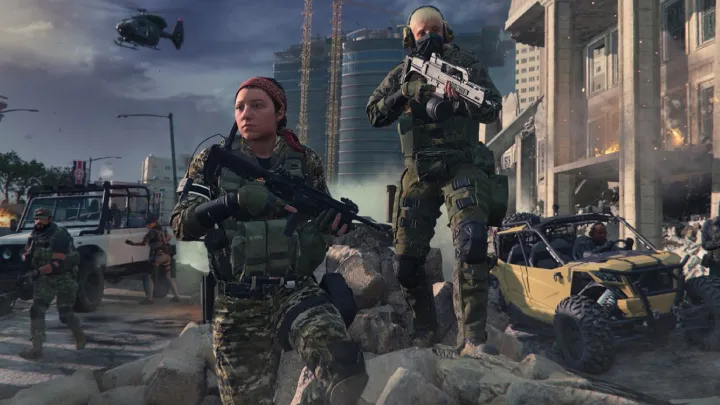
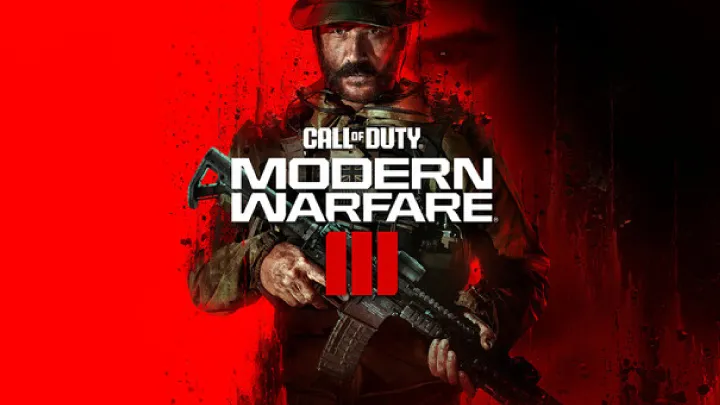
Call of Duty: Modern Warfare III has continued the legacy of its predecessors, offering players an immersive experience in a world beset by conflict and moral ambiguity. As with previous installments in the franchise, MW3 provides not only intense gameplay but also a storyline that confronts players with ethical dilemmas inherent in warfare. This article delves into a specific but crucial issue within the game: the depiction of morality in combat and how it influences player choices. By examining character motivations, story arcs, and the repercussions of decisions made during gameplay, we can gain a deeper understanding of the complex relationship between narrative and morality in MW3.
The Historical Context of the Modern Warfare Series
Setting the Stage for Conflict
The Call of Duty franchise, particularly the Modern Warfare series, has always been rooted in a mix of real-world military operations and fictional narrative. In MW3, the storyline continues from the events of its predecessors, where global conflicts have escalated into a full-blown war. The portrayal of modern geopolitical tensions serves as a backdrop, setting the stage for the moral quandaries faced by players.
The Continuation of Themes
Key themes established in earlier titles persist in MW3, including sacrifice, betrayal, and the blurred lines between good and evil. The game not only reflects the chaos of modern warfare but also questions the justifications of military actions—prompting players to think critically about the narratives that underpin their experiences. This thematic continuity affords the game depth, inviting players to engage with the material on a more analytical level.
Characters as Moral Compasses
The Protagonists' Motivations
In MW3, players engage with a range of characters, each presenting distinct perspectives on morality in warfare. Characters like Captain Price, Soap MacTavish, and newcomer Yuri operate under different motivations that shape their actions throughout the game. As seasoned veterans, they carry the weight of experience, leading them to make difficult decisions during missions that test their moral integrity.
Ethical Dilemmas Faced by Characters
These character arcs highlight a recurring theme: the struggle to reconcile personal morality with the demands of duty. For instance, players witness moments where Captain Price is forced to decide between the mission's objectives and the safety of civilians caught in conflict. Such dilemmas resonate strongly with players as they navigate the morally fraught landscape of the game, illuminating the complexities of loyalty and sacrifice in wartime.
The Player’s Role in Moral Decision-Making
Agency in Warfare
One of the notable features of MW3 is the player’s agency in navigating the moral landscape of the narrative. Unlike traditional linear storytelling, the game offers choices that affect the unfolding of certain scenarios. This dynamic engages players in a way that goes beyond mere entertainment; it compels them to consider their values and make decisions reflective of their ethical beliefs.
The Consequences of Choices
These decisions often come with repercussions that extend beyond individual missions. For example, a choice that results in collateral damage may haunt players throughout the campaign, affecting relationships with other characters and influencing the storyline's progression. This design underscores the weight of responsibility associated with commands and actions in warfare, encouraging players to empathize with the narratives of those affected by conflict.
The Representation of Civilian Casualties
The Impact of War on Innocents
Civilian casualties are an unavoidable reality in modern warfare, and MW3 does not shy away from depicting this harsh truth. Certain scenarios confront players with the horror of innocent lives caught in the crossfire, forcing them to grapple with the moral implications of their actions. Such portrayals serve as stark reminders of the cost of conflict, challenging the glorification often associated with military heroism.
Narrative Engagement
The emotional weight of civilian casualties enhances narrative engagement, pushing players to reflect on moral quandaries often sidelined in video game warfare. Players must navigate scenarios where their objectives may compromise the safety of innocents, intensifying the game's moral complexity and enriching the player's experience.
The Role of the Enemy in Moral Context
Redefining the Battlefield
In MW3, the portrayal of enemy forces adds another layer to the discourse on morality in conflict. Enemies are not merely faceless opponents; they are depicted with their motivations and justifications. This representation allows players to engage with the complexities of war beyond the traditional hero-versus-villain dichotomy.
Empathy and Perspective
By examining the perspectives of enemy characters, players are encouraged to empathize with their motivations—even when those motivations may not align with their own. This narrative strategy serves to humanize adversaries, contrasting sharply with the violent gameplay mechanics and pushing players to confront the moral narratives they may unconsciously endorse.
The Transition from Black-and-White Morality to Nuanced Ethics
Evolution of the Franchise
As the Modern Warfare series has evolved, so has its approach to morality. MW3 represents a significant shift away from traditional black-and-white portrayals of good versus evil found in earlier military shooters. Instead, the game dives into the shades of gray that complicate notions of right and wrong.
Players’ Moral Compass to Navigate
This evolution challenges players to adjust their moral compass. As they progress through the narrative, they encounter situations where defined lines blur, prompting them to reflect on their notions of morality. This thematic exploration creates opportunities for players to think critically about their own beliefs regarding violence, loyalty, and justice.
The Influence of Narrative on Player Identity
Building a Connection
The narrative in MW3 fosters a connection between players and the characters' moral struggles. By requiring players to make choices that align with their values, the game invites them to project aspects of their own identity onto the experience. This connection enhances immersion, as players must reconcile their actions with the larger implications of their decisions.
Reflection and Self-Examination
Moreover, the narrative structure encourages self-examination—a rare feat for a video game. Players are compelled to consider how their in-game moral decisions reflect their real-world beliefs and ethics concerning violence and duty. This active engagement leads to a more profound understanding of both the character's journeys and the player's own moral landscape.
Community Response and Ethical Debate
Dialogue Among Players
The complexities of morality in MW3 have sparked significant dialogue within the gaming community. Players engage in discussions about the ethical ramifications of the game, often debating the portrayal of characters and the narratives surrounding conflict. These discussions can range from critiques of the representation of enemy forces to debates about civilian casualties and the moral implications of player choices.
Academic and Critical Perspectives
Scholars and critics have also weighed in, analyzing how Modern Warfare III navigates the challenges of ethical storytelling in gaming. These discussions often highlight the potential of video games as a medium for exploring moral dilemmas and the responsibilities that come with representing complex themes. This scholarly lens adds depth to the community's dialogue, encouraging more robust discussions around ethics in gaming.
Conclusion
Call of Duty: Modern Warfare III intricately weaves together action and narrative to challenge players’ perceptions of morality in warfare. By examining character motivations, the impact of agency, and the representation of civilian casualties, the game invites players to confront the ethical dilemmas inherent in military conflict. This exploration of morality extends beyond entertainment, fostering a nuanced dialogue among players and scholars alike. As the franchise continues to evolve, one can only hope that it will maintain its commitment to presenting complex narratives that provoke critical thought about warfare, morality, and the human experience.