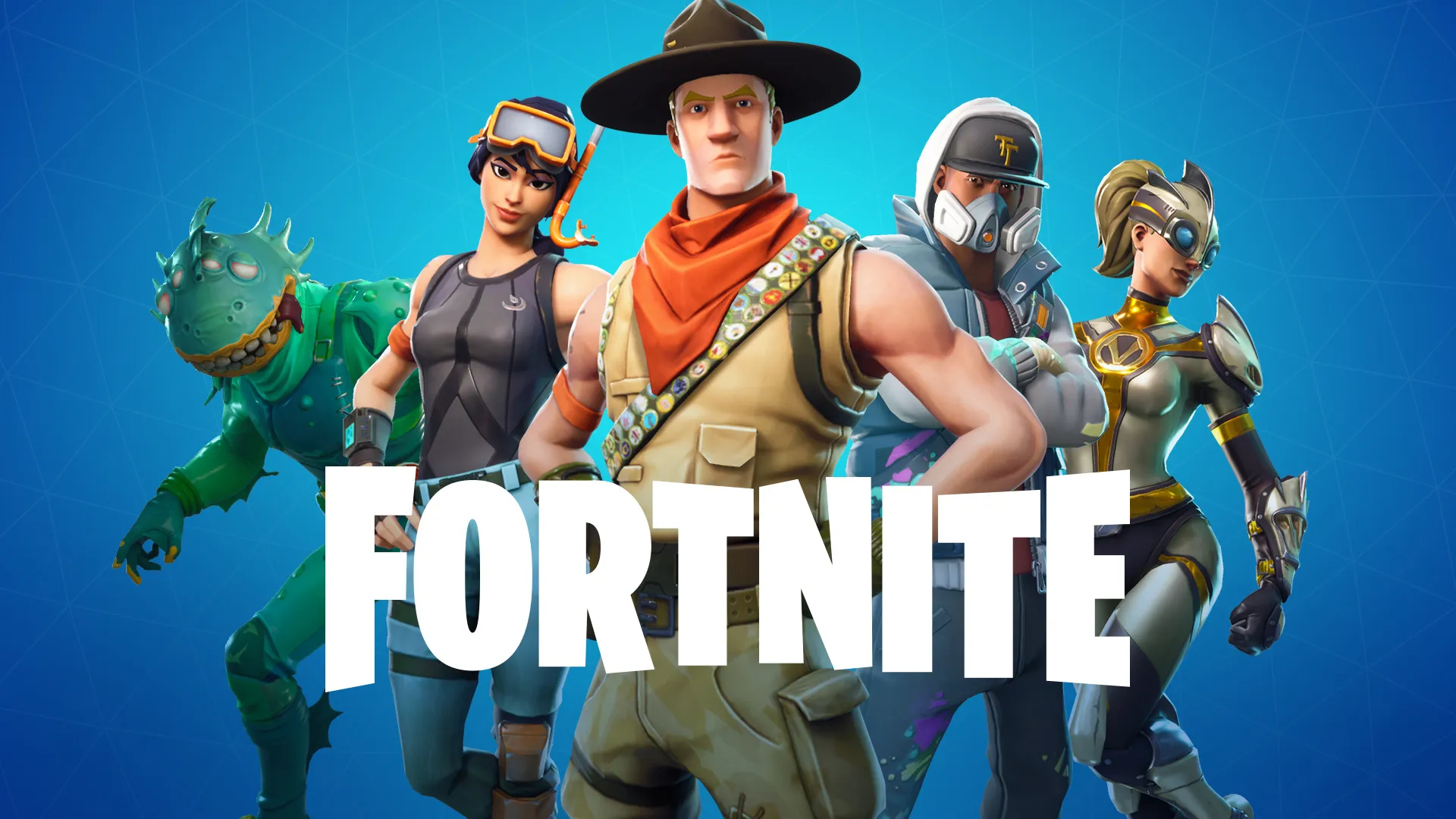
When Fortnite first launched, it quickly became a global sensation thanks to its fast-paced gameplay and accessible mechanics. However, what truly sets Fortnite apart in 2026 is not just its core battle royale mode, but its transformation into a multi-layered entertainment platform.
Today, Fortnite is no longer just a game. It is a digital space where players attend concerts, explore custom worlds, and participate in events that blur the line between gaming and social media.
The Evolution of a Virtual World
Fortnite’s map has never been static. Each season introduces dramatic changes, reshaping the environment and narrative in real time. These updates are not just cosmetic—they are storytelling tools.
Entire story arcs unfold through environmental shifts, live events, and limited-time experiences. Players are not simply observers; they are participants in a constantly evolving world. This dynamic structure creates a sense of urgency and relevance, encouraging players to return regularly to see what has changed.
Live Events as a New Form of Entertainment
One of Fortnite’s most defining innovations is its live events. From virtual concerts to cinematic in-game experiences, the platform has redefined how digital audiences engage with entertainment.
Events featuring global artists and collaborations have attracted millions of concurrent players, turning Fortnite into a virtual stage. These moments are not passive; players move, react, and experience the event together in real time. This shared presence creates a powerful sense of community that traditional media cannot replicate.
Creative Mode and the Rise of Player-Generated Content
With the introduction of Creative mode, Fortnite opened the door for players to become creators. Using in-game tools, users can design their own maps, game modes, and experiences.
This shift has led to an explosion of creativity. Entire mini-games, roleplay worlds, and competitive arenas now exist within Fortnite, built by the community itself. It reflects a broader trend in gaming where players are no longer just consumers, but active contributors to the ecosystem.
Digital Identity and Cosmetic Culture
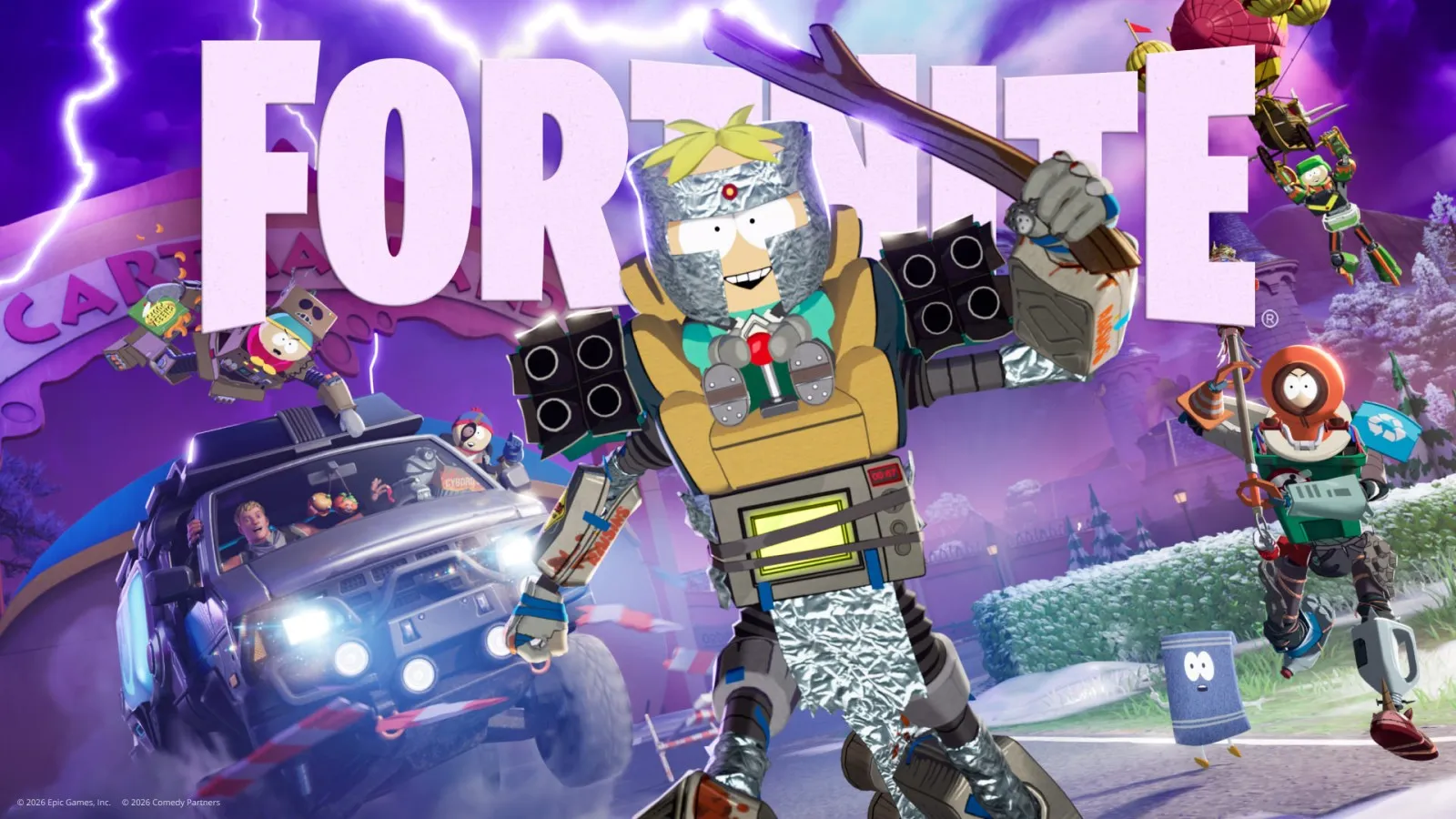
In Fortnite, identity is expressed through cosmetics rather than gameplay advantages. Skins, emotes, and accessories allow players to stand out in a crowded environment.
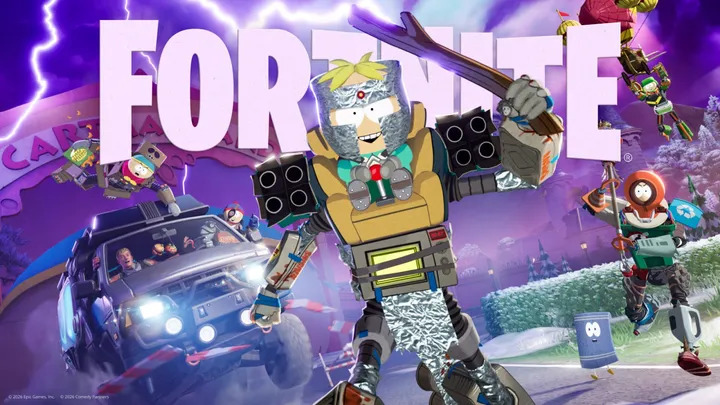
These items often come from collaborations with movies, music artists, and global brands, turning the game into a cultural hub. Owning a rare or limited skin is not just about appearance—it signals participation in specific moments in the game’s history.
The Business of Free-to-Play
Fortnite’s success is also tied to its free-to-play model, supported by in-game purchases. While the game is accessible to everyone, its economy thrives on cosmetic sales and seasonal battle passes.
This model has proven highly effective. It allows a massive player base to grow while generating consistent revenue. More importantly, it ensures that gameplay remains fair, as purchases do not provide competitive advantages.
A Global Social Platform
Beyond gameplay, Fortnite functions as a social network. Players gather not only to compete but to spend time together, explore, and communicate.
The game’s cross-platform support makes it easy for friends to connect regardless of device. Whether on console, PC, or mobile, players share the same space, reinforcing Fortnite’s role as a digital meeting point.
Conclusion: The Future of Interactive Entertainment
Fortnite represents a shift in how we define games. It is no longer just about winning matches or achieving high scores. Instead, it is about shared experiences, creativity, and cultural participation.
As the gaming industry continues to evolve, Fortnite stands as a clear example of what the future holds—a hybrid of game, social platform, and entertainment hub. In this new landscape, the most successful titles will not just be played; they will be lived in.