





Introduction
Green Hell is one of the most realistic survival games ever created. Unlike many survival titles that focus mainly on combat or crafting, Green Hell challenges players to survive in the heart of the Amazon rainforest using knowledge, preparation, and adaptability. Every decision matters. Drinking dirty water can introduce parasites, a small wound can become infected, and poor nutrition can slowly weaken your character until survival becomes impossible.
Many new players struggle during their first few hours because Green Hell does not provide much guidance. The game expects players to learn from experience, observe their surroundings, and understand how multiple survival systems interact. Hunger, hydration, sanity, injuries, and shelter management all work together, creating a challenging but rewarding experience.
This guide follows a natural progression path from the first day of survival to long-term jungle mastery. Whether you are completely new to the game or looking to improve your efficiency, these tips and guides will help you survive longer and thrive in one of gaming's most unforgiving environments.
1. Master the First Day Priorities
The first day in Green Hell is often the most dangerous because players begin with almost nothing. Many beginners immediately start exploring without understanding the risks. This usually leads to dehydration, injuries, or becoming lost deep within the jungle.
Instead of rushing into exploration, focus on immediate survival. Establishing a foundation during the first day will make every future objective easier. Learning where to find water, food, and shelter should be your highest priority.
Essential Resources to Gather
As soon as you start, collect:
- Small sticks
- Long sticks
- Stones
- Rope from lianas
- Palm leaves
- Mushrooms
- Coconuts
These materials allow you to craft tools, start fires, and build basic structures.
First-Day Goals
Aim to complete these objectives:
- Secure a water source
- Build a shelter
- Craft a stone axe
- Create a fire
- Gather food reserves
Pro Tip
Do not carry unnecessary materials during the first day. Excess weight drains stamina quickly and slows exploration.
2. Learn Water Management Early
Water is often a bigger threat than food in Green Hell. Players can survive several days without eating, but dehydration becomes dangerous much faster.
One of the most common beginner mistakes is drinking directly from rivers. While this solves hydration temporarily, it often introduces parasites that create additional survival problems.
Reliable Water Sources
Safe hydration methods include:
- Rain collectors
- Boiled water
- Coconut bidons
- Water filters
- Rainfall accumulation
Rain becomes an important resource later in the game, making water collectors a high priority.
Dealing with Parasites
Sometimes clean water is unavailable. In these situations:
- Eat orange cup mushrooms
- Consume cooked foods
- Rest properly
Orange mushrooms are among the most valuable resources in the game because they help eliminate parasites.
Water Storage Tip
Always carry a coconut bidon when exploring. It allows you to transport clean water and reduces the risk of dehydration during long journeys.
3. Understand the Nutrition System
Unlike many survival games, Green Hell uses a realistic nutritional system. Simply eating food is not enough. Players must balance four major nutrient categories.
The Four Nutritional Needs
Your character requires:
- Carbohydrates
- Proteins
- Fats
- Hydration
Ignoring any one category can reduce stamina and overall health.
Best Early Food Sources
Reliable foods include:
- Bananas
- Coconut flesh
- Fish
- Nuts
- Small animals
Each food type contributes differently to survival.
Players who learn where to find multiple food sources early gain a major advantage over those who rely on a single resource.
Common Mistake
Many beginners focus only on meat. While meat provides protein, it does not supply carbohydrates or fats, leading to nutritional deficiencies.
4. Craft Tools Before Building Large Structures
A common mistake among new players is building elaborate camps too early. Before constructing a permanent base, focus on obtaining efficient tools.
Better tools improve gathering speed, increase hunting success, and make resource management easier.
Essential Early Tools
Craft these items immediately:
- Stone Axe
- Stone Blade
- Weak Spear
- Fire Starter
- Basic Bow
These tools cover nearly every early-game survival need.
Why the Stone Axe Matters
The Stone Axe is arguably the most important tool in Green Hell. It allows players to:
- Harvest wood efficiently
- Gather materials faster
- Defend against predators
- Expand camps more quickly
Upgrade Path
As progression continues, replace primitive tools with:
- Bone tools
- Obsidian tools
- Metal tools
Each upgrade improves durability and efficiency.
5. Build a Functional Shelter System
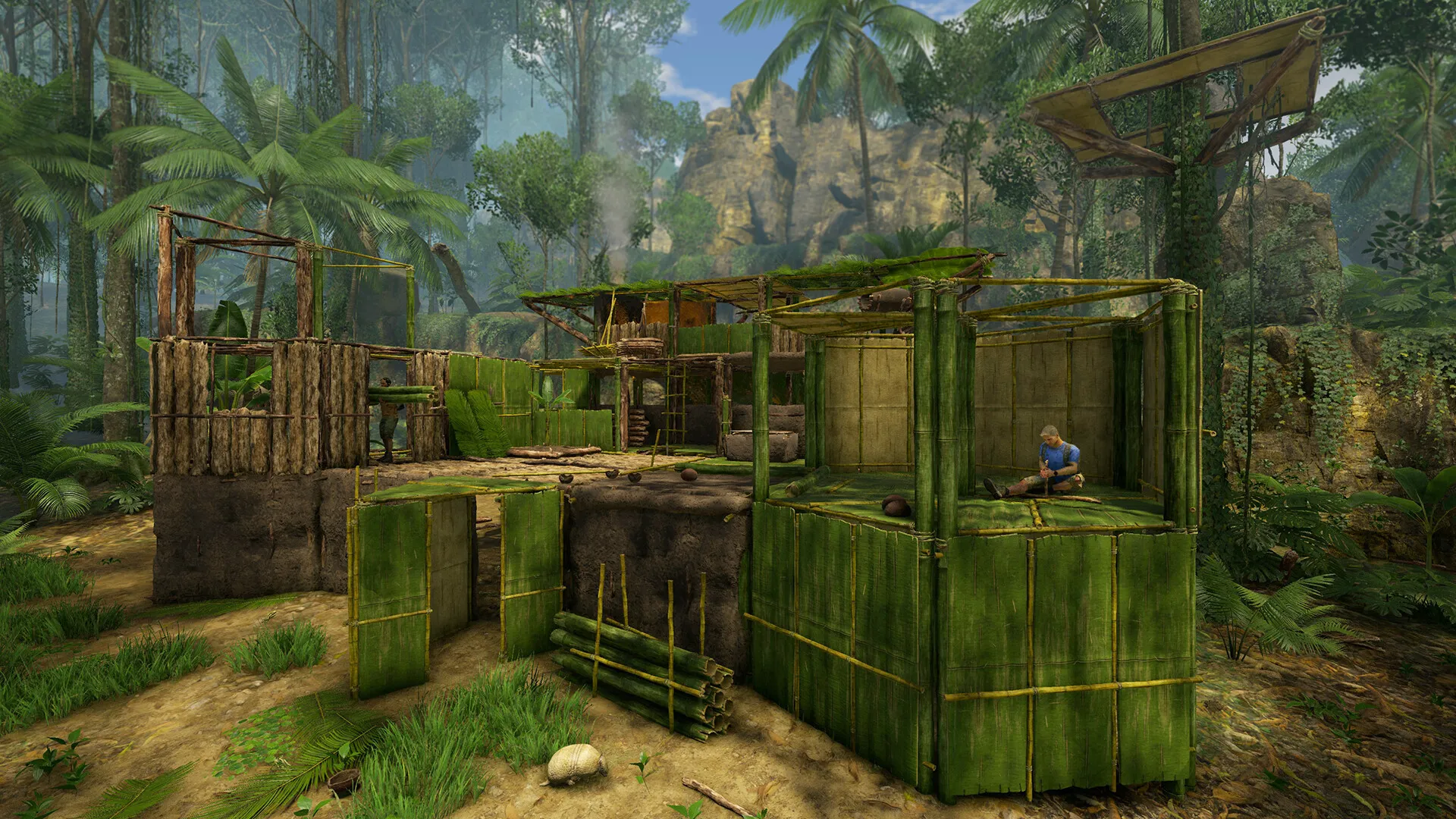
A shelter is more than a place to sleep. It serves as your save point, recovery area, and resource hub.
Choosing the right location is critical because rebuilding later consumes valuable time and resources.
Ideal Camp Locations
Look for areas with:
- Nearby water
- Flat terrain
- Abundant resources
- Safe surroundings
- Access to wildlife
A good location reduces travel time and improves efficiency.
Important Early Structures
Build:
- Shelter
- Fire pit
- Water collector
- Drying rack
- Storage containers
These structures support long-term survival without requiring excessive maintenance.
Expansion Strategy
Expand gradually rather than constructing a massive base immediately. Efficiency matters more than appearance.
6. Hunt Smarter, Not Harder
Hunting becomes increasingly important as food requirements grow. However, careless hunting wastes energy and creates unnecessary risks.
Many animals can be hunted effectively without direct combat.
Best Animals for Beginners
Start with:
- Fish
- Birds
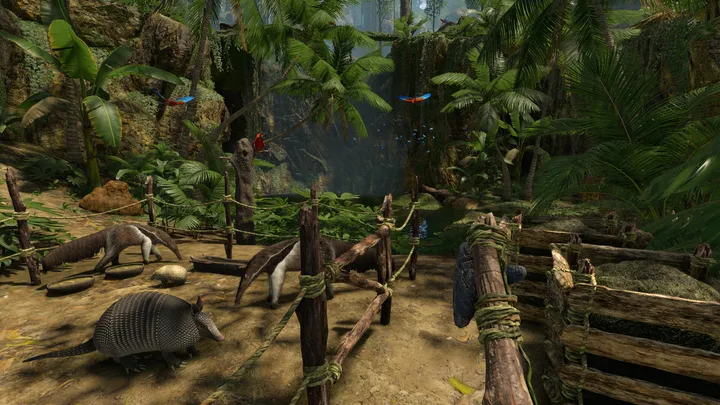
- Armadillos
- Toads
- Small mammals
These creatures are easier to kill and provide useful resources.
Effective Hunting Methods
Popular techniques include:
- Spear throwing
- Bow hunting
- Traps
- Fishing
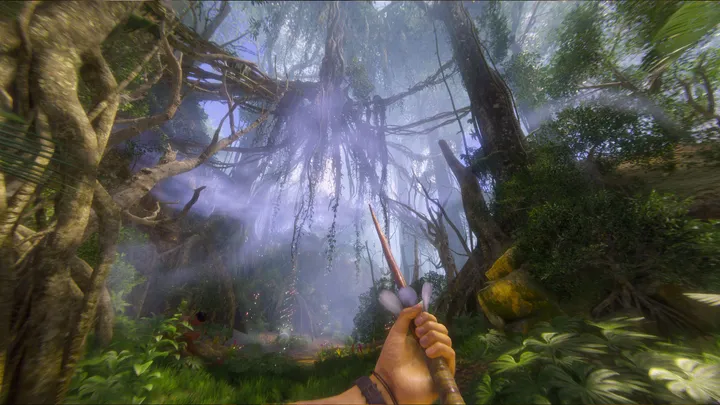
The bow eventually becomes one of the strongest tools in the game because it allows players to hunt from a safe distance.
Meat Preservation
Use drying racks to preserve food. Dried meat lasts longer and reduces the need for constant hunting trips.
7. Learn Medical Treatment Immediately
Medical knowledge is arguably more important than combat skills in Green Hell. Injuries are common and often become life-threatening if ignored.
The jungle contains countless hazards capable of causing infections, venom, and severe wounds.
Common Medical Problems
Players frequently encounter:
- Cuts
- Scratches
- Venom wounds
- Infections
- Parasites
Each condition requires a different treatment approach.
Medical Supplies to Stockpile
Always keep:
- Molineria leaves
- Tobacco leaves
- Honey dressings
- Ash dressings
- Bone needles
These items solve most medical emergencies.
Inspection Habit
Inspect your body regularly. Minor injuries are much easier to treat before they develop into infections.
8. Protect Your Sanity
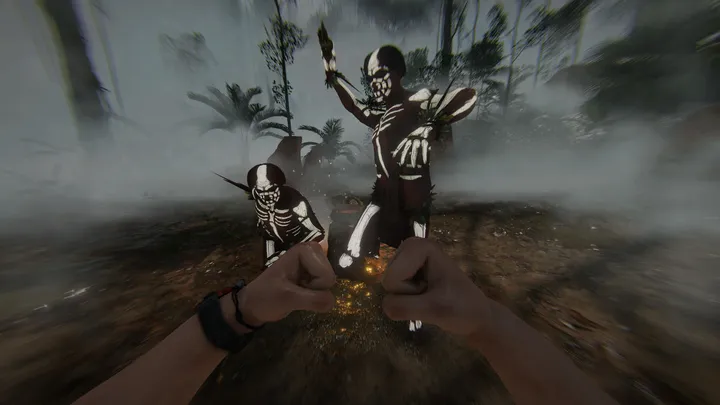
Sanity is one of Green Hell's most unique mechanics. Poor mental health creates hallucinations, strange sounds, and dangerous encounters.
Many players overlook sanity until it becomes a major problem.
Causes of Sanity Loss
Common triggers include:
- Sleeping on the ground
- Parasites
- Worm infestations
- Poor nutrition
- Dead bodies
Maintaining overall health naturally improves sanity.
Ways to Restore Sanity
Effective solutions include:
- Proper sleep
- Cooked meals
- Shelter use
- Injury treatment
Healthy survivors are generally more mentally stable.
Long-Term Importance
Sanity problems often create a chain reaction that makes other survival challenges harder to manage.
9. Explore the Jungle Efficiently
Exploration is necessary for finding resources, story objectives, and advanced crafting materials. However, poor planning often leads to getting lost.
Successful explorers prepare carefully before leaving camp.
Exploration Checklist
Bring:
- Water
- Food
- Bandages
- Weapons
- Fire starter
These items help handle unexpected situations.
Navigation Strategies
Use natural landmarks such as:
- Rivers
- Mountains
- Tribal camps
- Rock formations
Learning the map gradually improves confidence and efficiency.
Exploration Rule
Never leave camp without enough resources to survive at least one full day away from base.
10. Build Sustainable Long-Term Systems
The final stage of progression involves creating systems that reduce daily maintenance requirements.
Instead of constantly reacting to emergencies, experienced players establish sustainable resource networks.
Long-Term Priorities
Focus on:
- Rain collectors
- Food preservation
- Resource stockpiles
- Medical reserves
- Advanced shelters
These systems allow players to spend more time exploring and less time managing basic needs.
Endgame Survival Mindset
Advanced survival is about efficiency rather than necessity. Successful players learn:
- Resource routes
- Hunting patterns
- Safe exploration paths
- Medical preparation
Knowledge becomes more valuable than equipment.
Ultimate Goal
The goal is not merely surviving the jungle but mastering it. Once systems are established, Green Hell transforms from a survival challenge into a test of optimization and planning.
Conclusion
Green Hell delivers one of the deepest and most realistic survival experiences available today. Every mechanic—from hydration and nutrition to injuries and sanity—forces players to think carefully about their decisions. Unlike many survival games where resources are abundant and mistakes are easily corrected, Green Hell rewards preparation, observation, and patience.
Players who focus on first-day priorities, maintain proper nutrition, build efficient camps, master medical treatment, and create sustainable systems will find the jungle far less intimidating. The key to success is understanding that survival is not about a single mechanic but about balancing every system simultaneously.
Whether your goal is completing the story, surviving for hundreds of days, or mastering every aspect of the Amazon rainforest, these tips and guides provide a solid foundation for long-term success.