




HexSkin Mix Zaun Style is a creative customization and strategy based game inspired by the aesthetic, technology, and chaotic brilliance of Zaun. It blends experimentation, crafting, and tactical build creation. The game allows players to mix components, synthesize skins, and optimize stats to create unique Zaun style characters. With its focus on player creativity, resource management, and mechanical understanding, HexSkin Mix Zaun Style offers endless ways to experiment. This guide focuses on how to master its systems, how to create efficient builds, how to mix Zaun elements effectively, and how to improve long term performance.
This article provides a complete how to breakdown, helping both new players and advanced creators navigate every major layer of the game. From understanding essential materials to experimenting with toxic compounds, adjusting power ratios, optimizing themes, and preventing destabilization, every important element is covered. By following this guide, you will be able to build complex custom skins, manage resources, and control Zaun style mechanics in a safe and efficient way.
The goal is to help players approach HexSkin Mix Zaun Style with confidence. Whether you want to create a neon powered cyber skin, a mutated toxic hybrid, or a polished Zaun engineering masterpiece, this guide will walk you through every necessary step. At the end, you will understand how to create powerful and visually impressive skins without losing control of the Zaun elements that make them unique.
Understanding the Core Concept of Zaun Style
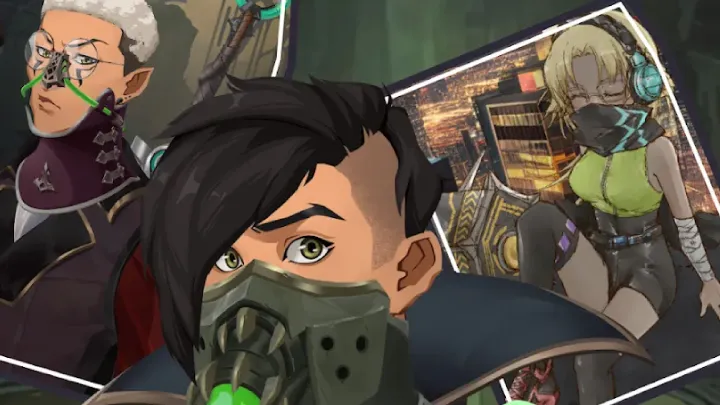
Zaun style within the game is defined by three major factors: industrial energy, bio mechanical influence, and experimental unpredictability. To master the game, players must understand how these factors work together. Industrial energy includes mechanical parts, neon fuel, and scrap tech used to amplify power. Bio mechanical influences include organic enhancements, mutation elements, and adaptive features that improve flexibility or speed. Experimental unpredictability includes volatile compounds, unstable synth materials, and high risk upgrades that may create powerful effects if properly controlled.
The key challenge is balancing these elements. Too much mechanical influence makes skins stiff. Too much biological modification can destabilize structure. Too many experimental materials can cause failures. Players must learn to measure, align, and mix these elements carefully. Over time, they develop an instinct for choosing the right combination.
This understanding becomes the foundation of the entire gameplay experience. Once you know how Zaun style functions under the hood, designing new skins becomes intuitive. Every choice matters, and the player begins to see patterns in how different components interact. This skill makes advanced crafting much easier later in the game.
How to Start Crafting Zaun Style Skins
The first step in building a Zaun style skin is gathering starter materials. These include basic metal plates, weak neon fuel, tier one biological gel, and simple wiring. These materials allow players to create their earliest prototype skins. For beginners, the goal is not perfection but understanding the system. Using simple materials helps reduce crafting risk while learning core mechanics.
Next, players select a theme. Each theme determines the structure of the skin. Cyber neon, bio toxic, industrial heavy, and hybrid organic are common choices. The theme influences which materials work best and determines the final visual identity. When learning how to craft, picking a theme that feels comfortable and easy to manage is ideal.
Finally, players assemble the base layer. This step includes structural shaping, plating arrangement, and core installation. The base layer is the foundation that supports later layers of mechanical and biological enhancements. Building it correctly reduces the chance of system instability during advanced modifications.
How to Combine Zaun Materials Safely
Mixing Zaun materials can be dangerous if done carelessly. Volatile components may destabilize the entire skin if the ratios are wrong. The safest way to begin is by understanding stability thresholds. Every material has a stability rating, indicating how well it mixes with others. Players should start by combining materials with similar ratings to avoid conflict.
Adding biological gel to metal plates creates soft flexibility, while neon fuel attaches best when placed on a conductive layer. Mutagen crystals require dilution before mixing with any organic materials. Most failures occur when players ignore these rules. By respecting compatibility, players can experiment freely without risking total system collapse.
Over time, players gain access to advanced Zaun materials, such as dark energy particles and corrupted filaments. These components offer high power boosts but must be mixed using advanced techniques. Once mastered, these materials elevate skins to new performance levels.
How to Build Mechanical Enhancements
Mechanical enhancements determine strength, durability, and energy output. They serve as the backbone of many Zaun style skins. To begin, players install servo modules onto the base. These modules provide movement and stability. After that, players add energy coils to power the enhancements. The coils must be fully charged before fusion.
Players can then attach advanced augmentations such as reinforced plating, hydraulic limbs, or neon thrusters. Each mechanical component increases the skin’s capabilities. The placement of these enhancements affects balance and functionality. Mechanical symmetry is important to prevent strain and reduce energy cost.
For highly ambitious builds, mechanical parts can be stacked into multi layer systems. This technique requires precise alignment and increased energy support. When executed correctly, these enhancements create powerful skins capable of high speed or high strength performance.
How to Integrate Biological Modifications

Biological modifications bring adaptability and fluid motion to a Zaun skin. They include synthetic nerves, muscle fibers, and mutation based abilities. To apply them, players begin with a biological frame. This frame connects organic components to mechanical parts. Without this structure, biological enhancements would fail.
Once the frame is set, players add enhanced tissues. These tissues increase speed, reaction time, and flexibility. They also help stabilize areas where mechanical plates may restrict movement. It is important to balance biological growth so it does not overwhelm mechanical structure.
Advanced players use mutation cores to boost biological abilities. These cores provide unique traits such as self repair or reflex amplification. However, they are unstable and require careful calibration. When integrated correctly, biological enhancements elevate a Zaun style skin to elite performance levels.
How to Experiment with Toxic Zaun Compounds
Toxic compounds are a signature element of Zaun style. They create vivid colors, unique effects, and powerful abilities. To use them safely, players must first contain them within sealed injectors. Direct application can cause the skin to corrode or deform. The key is dilution. Toxic compounds work best when mixed in small doses.
Common toxic compounds include glow toxin, rad mist, and muta sludge. Each offers unique effects. Glow toxin makes skins glow brightly. Rad mist adds radiation based defense. Muta sludge enhances damage output but may destabilize biological components. Understanding risk and reward is crucial.
Players can also create hybrid toxic composites. These mixtures combine multiple toxic compounds into a single enhancer. When used carefully, hybrid composites produce dramatic visual upgrades and impressive stat boosts.
How to Optimize Energy Flow and Power Ratios
Energy flow determines how efficiently a skin operates. If energy is misaligned, enhancements will malfunction and performance will degrade. To optimize energy flow, players must understand power ratios. Mechanical components require stable lines, while biological components require flexible lines. Mixing the two too closely can cause interference.
Players begin by mapping the energy circuit. This map shows the path of energy from the core to each enhancement. Adjustments are then made to redirect flow. Strengthening the main lines reduces risk of overload. Adding buffers protects sensitive biological systems.
Finally, players test the skin under simulated stress. This test shows how the system behaves when overloaded or strained. Adjustments must be made until the energy flow becomes balanced. When the power ratio is optimized, the skin performs efficiently and consistently.
How to Fine Tune Visual Design
The visual design of a Zaun style skin is just as important as its mechanics. The process begins by selecting a primary color palette. Zaun themes often use neon greens, toxic purples, and industrial yellows. Players choose colors based on the style they want to achieve.
Next, players add texture layers. These include metallic scratches, glowing veins, and bio weave patterns. Each texture gives the skin identity and depth. Mixing textures creates a realistic Zaun aesthetic that complements performance.
Finally, players apply highlight effects such as neon glow or steam venting. These effects complete the visual identity. A well designed skin looks powerful and functions smoothly, creating a satisfying final result.
How to Prevent Instability and System Failure
Instability is one of the biggest challenges in HexSkin Mix Zaun Style. Failures occur when materials conflict or energy levels spike. To prevent this, players must perform routine diagnostics. Diagnostics detect potential problems before they become dangerous.
Next, players reinforce weak points. Weak areas can be strengthened with mechanical brackets or biological support fibers. This prevents structural collapse. Adjusting toxic compound doses also reduces instability.
Advanced players use stabilizer cores. These cores monitor the entire system and regulate energy and biological reactions. A well maintained skin remains stable even during high stress performance.
Conclusion
HexSkin Mix Zaun Style is an exciting mix of creativity, science, and experimentation. By understanding how Zaun materials work, building safe mixes, integrating mechanical and biological systems, and optimizing energy flow, players can create powerful and visually stunning skins. The more players experiment, the better they become at predicting outcomes and designing advanced builds. Mastering this system requires patience and careful decision making, but once learned, it unlocks endless creative potential.
Whether you want to design a subtle Zaun skin or a fully enhanced powerhouse build, mastering these principles will help you succeed. With practice, every player can create their own unique Zaun masterpiece that combines style, power, and innovation.
Summary
A complete guide on how to craft, mix, optimize, and stabilize Zaun style skins in HexSkin Mix Zaun Style, helping players master creativity and performance.