


Metaphor: ReFantazio is a high-fantasy turn-based RPG developed by Studio Zero and published by Atlus. Blending political drama, social progression systems, and tactical combat depth, it carries design DNA familiar to fans of Atlus’ prior work while forging its own identity through an archetype-based combat system and time-structured progression.
This guide is structured chronologically—from early campaign fundamentals to late-game optimization—so you can manage time efficiently, develop optimal archetype builds, and avoid progression bottlenecks.
1. Understanding the Core Structure – Time, Politics, and Progression
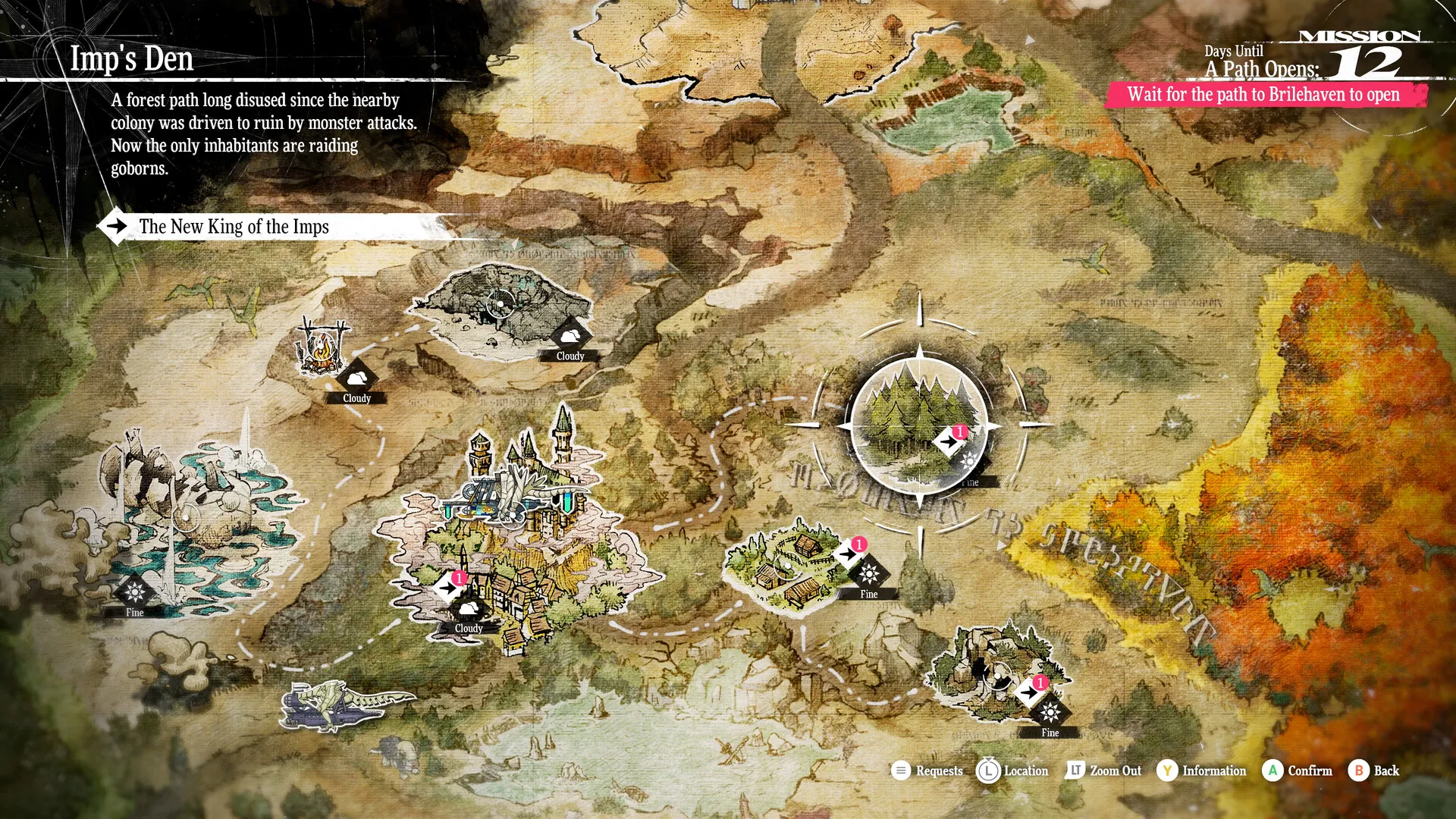
Metaphor: ReFantazio operates on a structured calendar system. Every day matters. Story missions, bonding events, and character development all compete for limited time.
Unlike traditional RPGs where grinding solves everything, here efficiency and planning are essential.
Core Gameplay Pillars
- Calendar-based progression
- Archetype combat system
- Social bond advancement
- Political narrative decisions
Early Priority Rule
During the first chapters:
- Focus on main story deadlines
- Avoid wasting days on low-impact activities
- Unlock core party members quickly
Time mismanagement leads to missed opportunities.
2. Early Combat Fundamentals – Surviving the Opening Chapters
Combat relies on exploiting weaknesses, turn economy, and synergy between archetypes.
Enemies punish random attacking. Target weaknesses to gain extra turns and momentum advantage.
Core Combat Loop
- Scan enemy weaknesses
- Exploit elemental vulnerability
- Chain bonus turns
- Control tempo
Early Mistakes to Avoid
- Ignoring defense buffs
- Splitting damage types too early
- Underestimating boss mechanics
Balance offense and sustain.
3. Archetype System – Building Your Core Class Identity
The Archetype system defines party roles. Unlike rigid class systems, archetypes allow role specialization with strategic flexibility.
Early-game focus should be on:
- Balanced frontline
- Reliable healer/support
- Consistent weakness coverage
Early Archetype Composition
Recommended structure:
- Physical damage dealer
- Elemental attacker
- Support/utility
Specialization Strategy
Avoid spreading into too many archetypes early. Instead:
- Max core archetype first
- Unlock secondary roles later
Depth > breadth in early chapters.
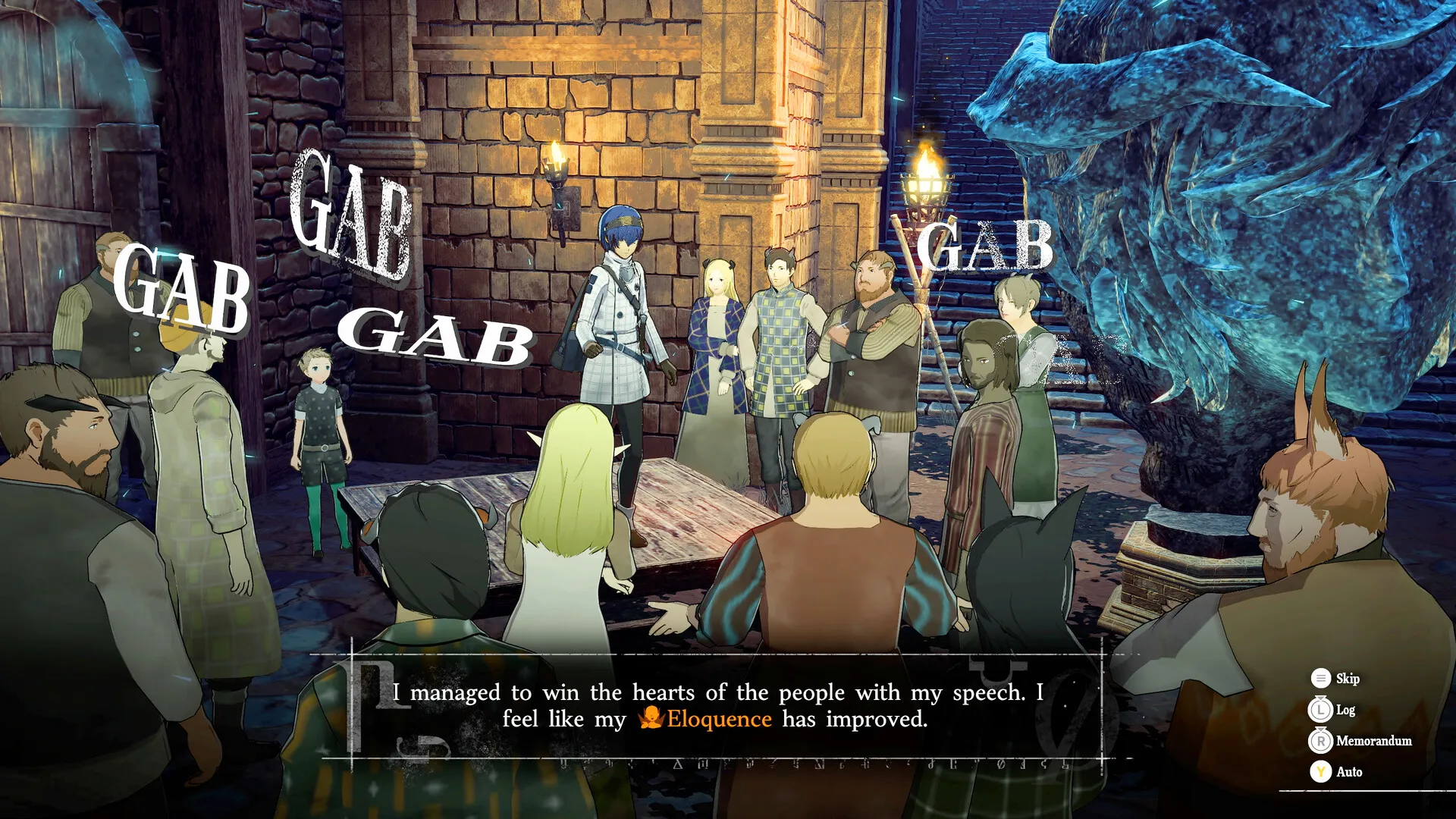
4. Social Bonds and Relationship Optimization
Bond progression unlocks passive bonuses, new skills, and archetype enhancements.
Every bonding event consumes time. Choose wisely.
Early Bond Priorities
Focus on:
- Party members
- Combat-relevant allies
- Skill-enhancing contacts
Efficient Scheduling
- Pair bonding days with low-stress calendar slots
- Avoid bonding right before dungeon deadlines
Maximize stat gain per day spent.
5. Dungeon Strategy – Efficient Exploration and Resource Control
Dungeons operate under time pressure and resource management constraints.
Goal:
- Clear in minimum visits
- Preserve MP
- Avoid unnecessary battles
Exploration Rules
- Exploit enemy weaknesses quickly
- Retreat if MP is critically low
- Use consumables strategically
Boss Preparation Checklist
Before final floor:
- Restore MP
- Confirm weakness knowledge
- Adjust archetype loadout
Preparation determines boss outcomes.
6. Mid-Game Transition – Expanding Archetype Synergy
Mid-game introduces complex enemy formations and multi-phase bosses.
At this stage:
- Optimize elemental coverage
- Unlock hybrid archetypes
- Refine synergy combos
Archetype Layering
Combine:
- Defense buff archetype
- Elemental nuker
- Turn-extension support
Damage Optimization
Stack:
- Weakness exploitation
- Combo extensions
- Stat buffs
Momentum control becomes critical.
7. Political Choices and Narrative Impact
Unlike purely mechanical RPGs, political dialogue affects tone and sometimes opportunity access.
Though not always immediately obvious, some decisions influence:
- Bond availability
- Optional missions
- Long-term narrative branches
Decision Strategy
Choose:
- Consistent ideological direction
- Responses aligned with bond targets
Avoid Random Responses
Inconsistent political stance can reduce certain unlock paths.
8. Advanced Combat Optimization – Turn Economy Mastery
Late-game combat revolves around maximizing turn efficiency.
Extra turns from weakness exploitation compound exponentially.
Turn Economy Formula
- Hit weakness
- Chain bonus turn
- Apply buff/debuff
- Execute burst damage
High-Level Tactics
- Debuff enemy defense first
- Apply team-wide buffs before burst phase
- Avoid unnecessary elemental overlap
Combat becomes mathematical at this stage.
9. Endgame Preparation – Scaling into Final Chapters
Enemy damage spikes sharply in final arcs.
Preparation checklist:
- Max core archetypes
- High bond ranks
- Fully upgraded equipment
- Balanced resistance coverage
Survival Benchmarks
- High HP pool
- Defensive buff access
- Emergency healing option
Common Late-Game Errors
- Over-specializing one damage type
- Ignoring defensive archetypes
- Entering boss fights under-leveled
10. Post-Game and Optimization Mastery
Post-game content emphasizes min-maxing.
Focus on:
- Optimizing stat spreads
- Perfecting archetype synergy
- Unlocking hidden narrative content
Min-Max Strategy
Balance:
- Offensive multipliers
- Defensive layers
- Speed/turn priority
Completion Goals
- Max all bonds
- Unlock all archetypes
- Clear optional high-difficulty encounters
Conclusion
Metaphor: ReFantazio rewards structured planning, efficient time allocation, and deep archetype specialization. Early mastery revolves around time discipline and focused builds. Mid-game success depends on synergy and bond optimization. Late-game dominance requires turn economy mastery, layered defense, and political consistency.
Manage your calendar wisely. Specialize before branching. Exploit weaknesses relentlessly.
Do that—and the path to the throne becomes yours.