.webp)

Introduction
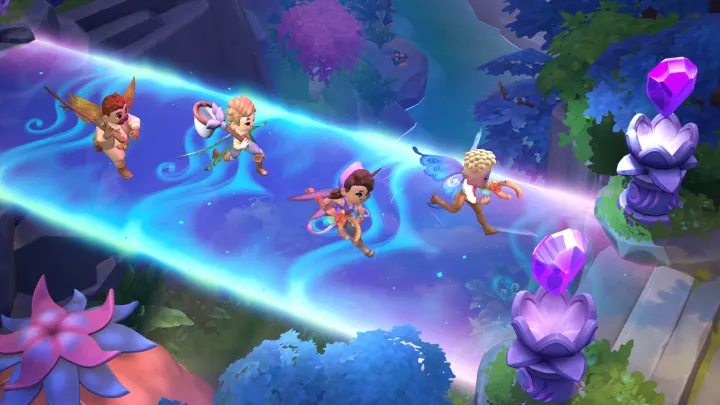
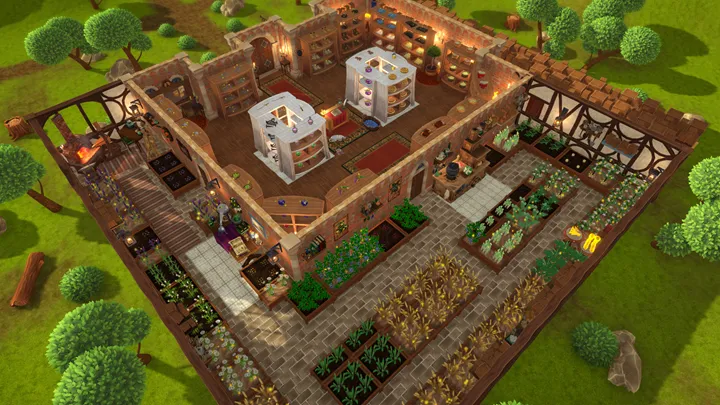
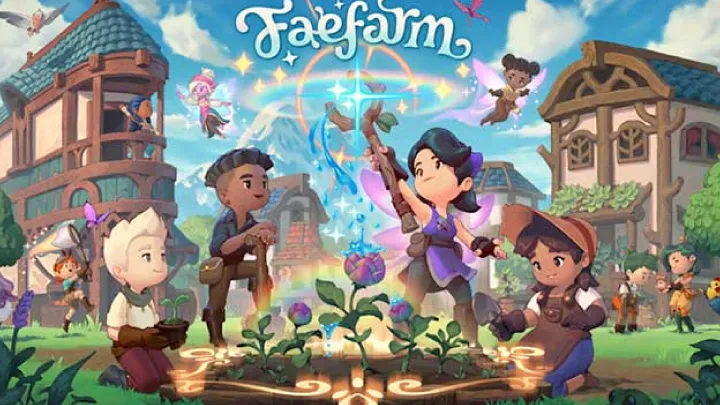
Fae Farm, developed by Phoenix Labs, offers players a whimsical and enchanting experience that blends farming simulation with community-building elements. Set in a vibrant world filled with magical creatures and rich lore, players cultivate farms, engage with NPCs, and explore the environment. One of the central issues in Fae Farm is how the game balances the intricacies of farming mechanics with the importance of community interaction, ultimately shaping the player experience. This article delves into this dynamic, examining how farming impacts relationships, storytelling, and overall gameplay in Fae Farm.
The Foundation of Farming Mechanics in Fae Farm
At its core, Fae Farm revolves around its farming systems, which play a crucial role in both gameplay and narrative.
Complex Farming Systems
- Crop Variety: Players can choose from a wide array of crops, each with its own growing seasons, requirements, and benefits. This variety encourages players to experiment with different types of farming strategies.
- Crafting and Resources: Beyond growing crops, players must gather resources to craft tools and materials that improve the farming process. This includes diverse aspects such as irrigation, fertilizers, and hybrid plants.
Farming as a Gameplay Loop
- Daily Routines: Players engage in daily tasks like planting, watering, and harvesting, creating a satisfying loop. This routine is not merely for progression; it deepens the player’s connection to the game world.
- Progression Mechanics: As players successfully manage their farms, they can unlock new crops, tools, and farming methods, enhancing the sense of achievement.
The Role of Farming in Community Building
While farming is a central mechanic, Fae Farm intricately connects these activities to the broader theme of community.
Interactions with NPCs
- Building Relationships: NPCs in Fae Farm have unique personalities, preferences, and stories. Players can enhance relationships by sharing crops, participating in events, or completing quests, creating interactions that feel meaningful.
- Community Events: Seasonal festivals in the game encourage players to contribute farm produce for celebrations, reinforcing the idea that farming is essential to the local culture and community spirit.
Creating a Sense of Belonging
- Shared Goals: Fostering connections with NPCs provides players with a sense of belonging, as they contribute to the greater good of the community through their farming efforts.
- Story Development: As relationships grow, the game reveals deeper narratives that intertwine farming accomplishments with personal stories, enriching overall gameplay.
The Interplay of Farming and Adventure
Fae Farm also allows players to venture beyond farming into exciting adventures, further linking these elements.
Exploration and Resource Gathering
- Diverse Environments: Players can explore magical landscapes that provide valuable resources essential to farming, such as rare seeds, crafting materials, and even magical artifacts.
- Combat Elements: While farming is a primary focus, there are combat aspects involving fantastical creatures that players must navigate, making resource gathering an adventure in itself.
Impact on Farming Strategies
- Resource Management: The resources collected during exploration can lead to improved farming techniques, allowing players to apply what they gain in combat to enhance their farms.
- Balancing Between Activities: Players must balance time spent farming with exploring, creating a dynamic gameplay experience that challenges them to strategize effectively.
Crafting and Its Relationship to Farming and Community
Crafting serves as another vital component that integrates with farming and community-building mechanics in Fae Farm.
Resource Conversion
- Crafting Systems: Players can convert harvested crops and gathered resources into tools, potions, and other useful items. This crafting aspect ties directly into the farming loop, enhancing the player's capacity to farm efficiently.
- Upgrading Abilities: Advanced crafting unlocks new methods for farming, such as improved fertilizers or sprinkler systems, which in turn reflects back to community needs and goals.
Collaborative Crafting Events
- Group Projects: Occasional multiplayer events may invite players to collaborate on crafting projects that benefit the entire community, reinforcing the importance of working together.
- Shared Resources: Crafting events often require collective gathering of resources, connecting players more closely with each other and the game world.
Storytelling: Weaving Farming and Community Together
The narrative of Fae Farm intricately ties farming and community elements together, enhancing player engagement.
Character Development Through Farming
- Character Arcs: The growth of characters and their relationships reflects the player's farming achievements, suggesting that taking care of the land directly impacts the lives of the community.
- Narrative Choices: Players may face dilemmas that link their farming decisions to character growth, leading to deeper emotional connections with their in-game actions.
World-Building
- Setting Lore: The lore surrounding the game world is intricately linked to farming history and communal relationships. Players learn about the land's past through interactions with NPCs, helping to foster a sense of immersion.
- Culmination of Stories: As crops yield success, the stories behind each NPC unfold, revealing how their lives have been affected by farming choices, thus intertwining the player's journey with the world around them.
Challenges of Balancing Gameplay Elements
Although Fae Farm successfully integrates farming and community-building elements, it faces challenges in maintaining balance.
Too Much Focus on Farming?
- Gameplay Fatigue: There’s a risk that incessant farming tasks might lead to fatigue among players, especially if they feel they must constantly farm to progress.
- Neglecting Adventure: If players prioritize farming over exploration and social interactions, they may miss out on key narrative elements that enrich their experience.
Scaling the Difficulty
- Gradual Progression: Ensuring that the difficulty of farming steadily increases with player abilities is crucial. Players should feel challenged without becoming overwhelmed.
- Adaptive Systems: The game might need adaptive systems to adjust to player skill levels, maintaining a delicate balance between farming tasks and community engagement.
Multiplayer Elements: Cooperative Farming and Community Interaction
Fae Farm introduces multiplayer aspects, enhancing collaboration and community in farming efforts.
Cooperative Farming Mechanics
- Shared Resources: Players can trade resources and crops with friends, creating a vibrant economy that enriches the gameplay experience.
- Joint Ventures: Engaging in cooperative farming activities allows players to work together to achieve common goals, blending individual farming with community contributions.
Impact on Community Events
- Team-based Challenges: Multiplayer can introduce team challenges that require cooperation to complete tasks, strengthening the bonds formed through collective farming efforts.
- Dual Narratives: Friends can share their individual stories while working together in the game, leading to rich collaborative experiences that heighten emotional stakes.
The Future of Farming and Community in Fae Farm
Looking ahead, Fae Farm has the potential to evolve its farming and community systems further.
Expanding Farming Mechanics
- New Crops and Crafting: Regular updates could introduce new crops, recipes, and crafting options, keeping the gameplay fresh and engaging.
- Environmental Changes: The world might evolve based on collective player farming efforts, affecting future quests and storylines.
Emphasizing Community Growth
- Dynamic Events: Seasonal or community-wide events could become more dynamic, requiring player community involvement to unlock new areas or features.
- Player-driven Narratives: Future expansions could emphasize player-driven narratives, enhancing the impact their farming has over NPCs and the world itself.
Conclusion: Fae Farm as a Hybrid Experience
In Fae Farm, the blend of farming mechanics with community-building elements creates a rich tapestry of gameplay that resonates with players on multiple levels. The game’s ability to intertwine these aspects allows for meaningful interactions, emotional engagement, and an immersive experience. As players cultivate their farms and build relationships within the community, they simultaneously shape the world around them, creating a highly personalized journey.
By balancing farming, adventuring, crafting, and storytelling, Fae Farm stands as a testament to the cooperative and communal spirit that defines both farming games and life itself. With potential for future exploration and growth, the game promises to keep players engaged and invested in their enchanting world.